Vinings Glass Storefronts
Looking for a commercial glass storefront in that makes your business stand out on crowded streets and invites people to enter? Cheap aluminum storefront installations look unprofessional and compromise security while failing to showcase your business effectively. This guide to glass storefronts shows how Glass Governor creates stunning commercial entrances that boost curb appeal, improve product visibility, and enhance brand image for retail stores, restaurants, and professional offices competing in competitive markets.
What About Glass Storefronts?
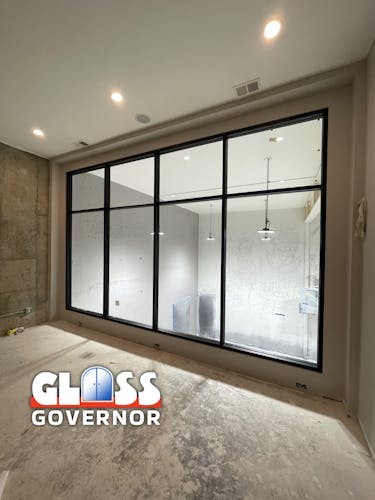
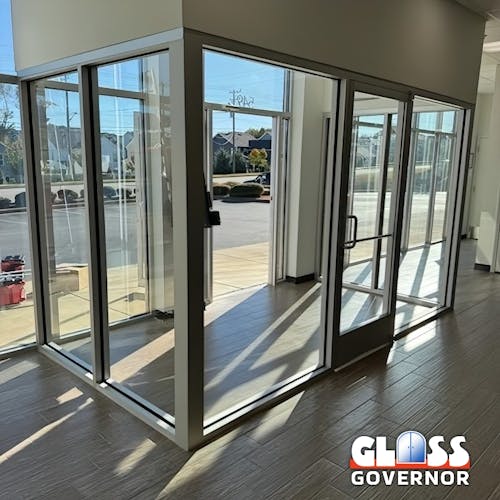
“Glass storefronts” are commercial entrance assemblies that combine structural framing with large insulated glass panels to create an inviting, code-compliant storefront. The right storefront system balances three things:
Product visibility vs. privacy needs
Structural strength vs. a clean, light look
Design consistency vs. tenant flexibility.
Glass Governor installs Glass Storefronts throughout for retail, restaurants, offices, salons, and fitness spaces that want a professional exterior and a brighter interior. When customers can see light, movement, and product through the glass, walk-in confidence goes up. For many businesses, that translates into more foot traffic and stronger first impressions.
We handle everything from glass selection to door hardware to finishing details so your storefront looks sharp and performs like it should, day after day, season after season.

Where Glass Storefronts Fit In
Fashion boutique facades
Location & Integration
Glass storefronts in boutique retail environments create differentiation in markets where first impressions determine customer choice. Superior storefront quality signals professionalism and trust, supporting customer loyalty and higher margins.
Installing & Pairing
We fabricate storefront systems using commercial-grade materials designed for durability and climate exposure. Extensive design flexibility allows storefronts to align with brand aesthetics. Installation includes final testing and adjustment, ensuring readiness for business operations from day one.

Restaurant and hospitality entrances
Location & Integration
For restaurant owners, glass storefronts influence customer attraction and brand perception. Quality storefronts signal attention to detail and investment in guest experience.
Installing & Pairing
Our installations integrate with kitchen operations, traffic flow, and design themes. Glass selection varies by concept, from fine dining to casual service. Installation includes testing, adjustment, and operational guidance.

Professional office building entrances
Location & Integration
Custom storefront systems in professional office environments enhance marketability while delivering reliable performance for building operations. Quality entrances demonstrate commitment to tenant experience and contribute to long-term retention.
Installing & Pairing
We fabricate office storefronts using commercial-grade methods suited for wind loads, energy codes, and security needs. For properties with architectural or historic considerations, we develop custom solutions balancing preservation with modern standards. Installation includes quality control, testing, and coordination with all relevant trades to ensure reliable operation from day one.

Strip mall storefront systems
Location & Integration
Coordinated storefront systems in developments create unified identity that improves marketability and supports stronger tenant mix. Consistency signals quality development and professional management, strengthening leasing performance and supporting premium rent positioning. Standardized systems also reduce long-term maintenance complexity and help protect property value through predictable repair and replacement.
Installing & Pairing
Our multi-tenant storefront programs provide property-level design control while meeting tenant operational needs. We develop approved storefront specifications aligned with architectural guidelines, budgets, and code requirements. For shopping centers and mixed-use properties, we create option sets that streamline tenant approvals while preserving quality. Installation supports phased work across multiple tenant build-outs and we provide ongoing service and repair support for consistent maintenance across spaces.
Comparing Your Glass Storefronts Options
| Storefront Frame Type | What It Is | Visual Impact | Energy Efficiency | When You'd Choose This |
|---|---|---|---|---|
|
Standard Aluminum Storefront
|
Traditional 2-3" aluminum frames around glass
|
Frame is visible - classic commercial look
|
Basic - no thermal break, condensation possible in cold weather
|
Budget-friendly commercial spaces, standard retail, temperate climates
|
|
Narrow-Stile Storefront
|
Thinner 1.75" aluminum frames
|
Less frame, more glass - sleeker appearance
|
Basic to moderate depending on options
|
Contemporary aesthetics on a budget, maximizing glass visibility
|
|
Thermally Broken Storefront
|
Aluminum frames with thermal barrier inside
|
Frame visible but prevents temperature transfer
|
High - prevents condensation, improves insulation
|
Cold climates, energy-conscious buildings, preventing interior condensation
|
|
All-Glass Frameless System
|
Minimal hardware - glass panels joined with small fittings
|
Maximum transparency - almost no visible framing
|
Limited - typically single-pane glass
|
High-end retail, luxury brands, architectural statements, wow-factor entrances
|
|
Heavy-Duty Commercial Frames
|
Thicker, reinforced aluminum framing
|
More substantial, robust appearance
|
Varies - can include thermal breaks
|
High-traffic areas, severe weather zones, security concerns, durability priority
|
|
Security-Rated Storefront
|
Reinforced frames designed for security glass
|
Substantial appearance, security-focused
|
Varies
|
Jewelry stores, banks, high-theft areas, security is top priority
|
|
Automatic Sliding Storefront
|
Frame system integrated with automatic doors
|
Modern, accessible appearance
|
Good when closed - insulated glass typically used
|
High-traffic retail, ADA accessibility requirements, touchless entry desired
|

Why We Love Vinings
At Glass Governor, we are trusted for offering professional Glass Storefronts services in Vinings. Known throughout Vinings and the Atlanta area, we know the unique building trends of homes and commercial properties in Vinings. Our team ensures every project complements the look of the area, giving you solutions that are durable and functional.
Whether you’re upgrading your home, or adding curb appeal to a business property, homeowners and property managers in Vinings rely on us for reliable Glass Storefronts. We’ve partnered with countless local clients to install lasting solutions. By staying familiar with the most popular design trends, we ensure flawless results.
Backed by our reputation across Georgia and our track record of successful projects in Vinings, Glass Governor delivers more than just Glass Storefronts—we deliver lasting impact. Each project we complete is done with precision, so you can feel confident your project will transform your property and stand the test of time.
Things Homeowners and Businesses in Vinings Should Know About Glass Storefronts
Vinings’ humid subtropical climate, heavy summer thunderstorms and periodic winter cold require glass storefronts that resist water intrusion, thermal stress and UV fading while fitting the neighborhood’s mix of historic brick facades and modern mixed‑use buildings. These conditions influence glass selection — thermally efficient low‑E insulated units, laminated or tempered safety glass, corrosion‑resistant framing and robust flashing — and demand installation techniques that accommodate seasonal expansion, drainage and airtight seals for energy performance. Local businesses such as restaurants, boutiques and professional offices also need glare control, privacy options and vandal‑resistant finishes tailored to pedestrian traffic patterns. Glass Governor, as Vinings’ local glazing specialist, designs code‑compliant assemblies, coordinates with architects and historic guidelines, and installs durable, maintainable storefront systems engineered specifically for Vinings’ weather, soils and aesthetic standards.
Vinings Points of Interest

Vinings Points of Interest

Make It Yours with Custom Designs
With deep expertise in Vinings’s glass industry, we deliver tailored solutions that meet your exact specifications. From design to installation, our team ensures quality and precision, creating reflective panels that elevate your interior.
What to plan for
If you're developing a multi-tenant commercial property: establish coordinated storefront standards using modular systems with approved customization options, ensuring architectural consistency while accommodating diverse tenant needs, ideal for shopping centers where unified design enhances marketability.
Design
Narrow Stile vs. Standard: Narrow stile systems use slimmer framing profiles maximizing glass area for retail visibility, while standard storefronts use heavier framing providing greater strength and durability; narrow stile creates contemporary aesthetic but costs 15-25% more and may have reduced structural capacity. For high-end retail, narrow stile delivers visual impact justifying premium pricing, while standard systems serve most applications cost-effectively.
Service the Greater Atlanta Area
Our client base spans 's commercial sectors: independent retailers and regional chains, restaurants from fast-casual to fine dining, professional service firms requiring prestigious office entrances, and property developers creating shopping centers and mixed-use projects. This breadth means we've solved storefront challenges across virtually every commercial building type and business sector throughout the metro area.
Vinings Glass Storefronts Company
Top Questions About Glass Storefronts
What's the price range for commercial storefront projects?
Investment in commercial storefronts should be evaluated against value delivered: retail storefronts driving foot traffic and sales increases documented through customer counts, restaurant entrances attracting diners and enhancing brand perception, office building storefronts improving tenant appeal and property values, and energy-efficient systems reducing operating costs through lower HVAC consumption. For businesses, storefront quality directly impacts revenue and profitability making investment strategic rather than discretionary. Property owners see storefront improvements generate measurable returns through increased rental rates, faster tenant placement, and enhanced property values. We help clients understand trade-offs between economy and premium specifications, explaining how choices impact appearance, performance, durability, and business outcomes ensuring investments align with priorities and deliver value justifying costs.
How do I choose glass for commercial storefronts in ?
The best glass for commercial storefronts balances thermal performance, safety compliance, and visual clarity while meeting budget constraints and specific business needs. For most applications, insulated low-E glass units provide optimal performance: dual-pane construction with low-emissivity coatings reducing solar heat gain by 50-70%, inert gas fills improving thermal resistance, and tempered safety glass meeting building codes. These specifications reduce cooling costs in ’s hot humid summers while maintaining transparency essential for retail visibility and natural light. For high-security applications like jewelry stores or electronics retail, laminated glass adds break-in resistance by bonding layers that prevent glass scatter even when shattered. Budget-conscious projects might use single-pane tempered glass sacrificing energy performance for lower initial cost, though lifecycle costs often favor insulated glass through reduced energy consumption.
How quickly can Glass Governor complete storefront projects?
Storefront installation timelines vary based on project scope, building conditions, and whether new construction or retrofit replacement. Small storefront replacements for single retail doors might complete in 2-3 days from demolition through installation and final adjustment. Comprehensive retail storefront systems typically take 1-2 weeks including removal of old systems, any necessary structural modifications, new storefront installation, and final detailing. Large projects like office building entrances or restaurant storefronts with operable walls might require 2-4 weeks for complete installation. For businesses, we develop schedules minimizing operational disruption, often working during closed hours, evenings, or weekends allowing business continuation. Phased installations can maintain portions of businesses operational during construction. We provide detailed timelines during proposal phase enabling business owners to plan accordingly for any necessary closures or operational modifications.
How do you ensure code compliance for storefronts?
Ensuring code compliance for storefronts requires comprehensive approach: design review verifying proposed systems meet all applicable codes, permit application providing required documentation and calculations, material specifications using code-compliant components, installation following approved plans and industry standards, inspection coordination addressing any inspector questions or concerns, and final documentation providing owners with code compliance verification. Our experience with building departments, understanding of inspector expectations, and track record of successful approvals ensures projects meet codes without delays or complications. We handle all code compliance aspects, protecting business owners and property managers from liability while ensuring installations meet all legal requirements for safe operation.
Can Glass Governor repair existing storefronts in ?
Selective glass replacement is often possible and cost-effective compared to complete storefront replacement, particularly for recent installations where framing remains in good condition and glass has been damaged from impact or breakage. We assess existing storefront systems, determine feasibility of selective replacement versus complete system renewal, and recommend optimal approaches balancing cost with long-term performance. For older storefronts with failed insulated glass units showing fogging or edge seal failure, glass replacement extends system life economically. However, storefronts 20+ years old with deteriorated frames, obsolete components, or poor energy performance often warrant complete replacement rather than incremental repairs that don’t address fundamental system obsolescence. We provide honest assessment and options enabling informed decisions.