
Tucker Glass Storefronts
Need a glass storefront installation in that combines style, security, and energy efficiency for your retail store, restaurant, or office building? Generic budget storefronts lack the visual impact and performance your business deserves in competitive commercial real estate. Discover how glass storefronts from Glass Governor transform commercial spaces with custom designs that attract customers, meet strict building codes, and deliver decades of reliable performance protecting your investment.
What About Glass Storefronts?
“Glass storefronts” are commercial entrance and façade systems designed for high-traffic use, strong security, reliable energy performance, and the kind of visual clarity that drives walk-ins. The right storefront system balances three things:
Curb appeal vs. practical protection
Durability vs. refined aesthetics
Immediate impact vs. long-term value.
Glass Governor installs Glass Storefronts for businesses and property owners who want results, not just glass. We think about how the entry reads from the sidewalk, how customers move through it, and how the system holds up under daily use and severe weather.
From single-location retail to multi-tenant centers, our storefront installs are built to stay clean, aligned, and dependable over time, with the right materials and code-compliant execution from day one.

Where Glass Storefronts Fit In
High-end retail entrances
Location & Integration
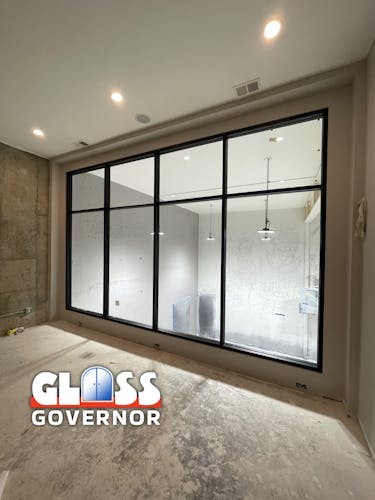
Storefront systems throughout retail districts function as constant marketing tools, turning entrances into visual assets that drive foot traffic. Glass storefronts enable merchandise visibility from distance while maintaining security and durability essential for retail profitability.
Installing & Pairing
We engineer storefront systems with merchandising effectiveness in mind, considering window depth, door placement, and solar control. Custom features such as etched logos, decorative metalwork, or specialty glass finishes reinforce brand identity. Installation includes structural anchoring, weather sealing, and operational testing to ensure smooth daily use.

Food service glass doors
Location & Integration
Glass storefronts in hospitality environments balance transparency with energy performance. These systems connect interior dining spaces with street activity while maintaining comfort and security.
Installing & Pairing
We engineer storefronts for intensive hospitality use, integrating fire safety, accessibility, and security systems. Project management ensures schedules align with opening dates critical to revenue.

Professional office building entrances
Location & Integration
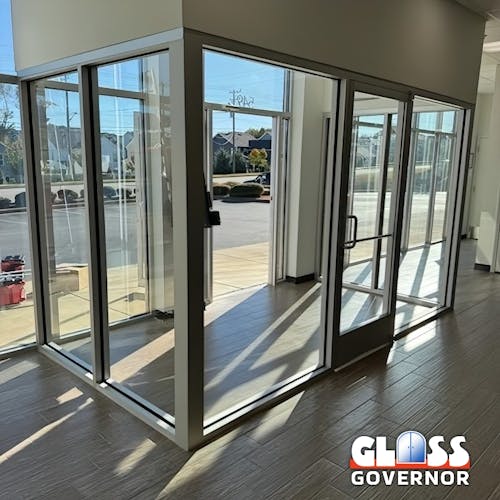
For building owners and property managers, office storefront systems are foundational infrastructure that influences tenant attraction, property values, and long-term operating costs. Strategic storefront design strengthens building positioning while improving comfort and reducing maintenance burdens.
Installing & Pairing
Our storefront installations balance aesthetics, performance requirements, and budget constraints. We consult on configuration and specifications aligned with target tenant needs and building strategy. Glass choices vary by tenant type and building use, and we provide documentation for projects targeting certifications. Installation management covers permitting, code compliance, and schedule reliability tied to tenant move-ins.

Shopping center glass fronts
Location & Integration
Storefront systems in commercial developments solve the challenge of maintaining architectural consistency while serving diverse businesses from retail to restaurants to professional services. Coordinated storefronts strengthen property image, support tenant attraction, and create cohesive environments that feel intentional and well-managed, especially important in mixed-use settings where multiple uses share the same streetscape.
Installing & Pairing
We engineer storefront standards that balance owner priorities for cost control and aesthetics with tenant needs for function and brand expression. Programs often define framing systems, performance specs, and hardware requirements while allowing approved customization. For developments targeting performance standards or certifications, storefront choices can support energy efficiency and daylighting objectives. Installation management coordinates across multiple contractors and schedules, providing documentation and maintenance guidance for long-term operations.
Comparing Your Glass Storefronts Options
| Storefront Frame Type | What It Is | Visual Impact | Energy Efficiency | When You'd Choose This |
|---|---|---|---|---|
|
Standard Aluminum Storefront
|
Traditional 2-3" aluminum frames around glass
|
Frame is visible - classic commercial look
|
Basic - no thermal break, condensation possible in cold weather
|
Budget-friendly commercial spaces, standard retail, temperate climates
|
|
Narrow-Stile Storefront
|
Thinner 1.75" aluminum frames
|
Less frame, more glass - sleeker appearance
|
Basic to moderate depending on options
|
Contemporary aesthetics on a budget, maximizing glass visibility
|
|
Thermally Broken Storefront
|
Aluminum frames with thermal barrier inside
|
Frame visible but prevents temperature transfer
|
High - prevents condensation, improves insulation
|
Cold climates, energy-conscious buildings, preventing interior condensation
|
|
All-Glass Frameless System
|
Minimal hardware - glass panels joined with small fittings
|
Maximum transparency - almost no visible framing
|
Limited - typically single-pane glass
|
High-end retail, luxury brands, architectural statements, wow-factor entrances
|
|
Heavy-Duty Commercial Frames
|
Thicker, reinforced aluminum framing
|
More substantial, robust appearance
|
Varies - can include thermal breaks
|
High-traffic areas, severe weather zones, security concerns, durability priority
|
|
Security-Rated Storefront
|
Reinforced frames designed for security glass
|
Substantial appearance, security-focused
|
Varies
|
Jewelry stores, banks, high-theft areas, security is top priority
|
|
Automatic Sliding Storefront
|
Frame system integrated with automatic doors
|
Modern, accessible appearance
|
Good when closed - insulated glass typically used
|
High-traffic retail, ADA accessibility requirements, touchless entry desired
|
About Tucker
At Glass Governor, we are trusted for providing professional Glass Storefronts services in Tucker. Recognized as a go-to team in Georgia, we understand the unique styles of homes and commercial properties in Tucker. Our team combines decades of expertise with a deep understanding of community needs, giving you solutions that are built to last and visually striking.
Whether you’re upgrading your home, or improving a retail space, residents and local shops in Tucker choose us for professional Glass Storefronts. We’ve worked closely with homeowners to create lasting solutions. With knowledge of what Tucker property owners expect, we make sure your project fits perfectly.
Backed by our strong presence throughout Metro Atlanta and our proven results in Tucker, Glass Governor delivers more than just Glass Storefronts—we deliver lasting impact. Every installation or repair is done with care, so you can feel confident your project will transform your property and remain durable for years.
Key Facts Tucker Residents Must Understand About Glass Storefronts
Glass storefronts in Tucker must withstand humid subtropical summers, heavy seasonal thunderstorms and occasional winter freeze-thaw cycles, so choices like laminated or tempered insulated glass, low-e coatings, corrosion-resistant frames and high-performance sealants directly affect durability and energy performance. Local architectural mix — historic bungalows, mid-century commercial strips and modern infill — means storefront systems often require custom framing, sympathetic sightlines, and careful flashing integration with brick and stucco façades to avoid water intrusion. Business needs for visibility, security and low maintenance drive tempered impact glazing, anti-graffiti coatings and easy-service hardware. Glass Governor leverages local climate experience to specify appropriate glazing, coordinate proper drainage and flashing, manage permitting and deliver installations and maintenance plans that extend service life and protect investment in Tucker’s variable seasons.
Tucker Points of Interest

| Tucker City Hall | Civic building and public service hub. | Tucker Nature Preserve (Tucker Nature Preserve) | Trails and wildlife viewing. |
| Tucker Public Library (Tucker-Reid H. Cofer Library) | Library branch with community programs and resources. | Tucker Greenway Trail (Peachtree Creek Greenway) | Paved multi‑use path for walking and biking. |
| Tucker Town Green (Church Street Greenspace) | Community lawn hosting concerts and events. | Tucker Main Park (Kelley Cofer Park) | Playgrounds, picnic areas and walking paths. |
| Tucker Community Center | Facility with classes, meetings and rentals. | Tucker Dog Park (Henderson Park) | Fenced areas for off‑leash exercise. |
| Tucker Recreation Center | Courts, fitness rooms and youth programs. | Tucker Skate Park (See Stone Mountain Skate Park) | Bowls and ramps for boards and scooters. |
| Tucker Sports Complex (Peters Park) | Baseball, soccer and multi‑use fields. | Tucker Amphitheater (Church Street Greenspace) | Outdoor stage for concerts and movies. |
| Tucker Aquatic Center (Kelley Cofer Park Pool) | Pools and swim programs (seasonal). | Tucker Historic District (Main Street Tucker) | Streets with preserved architecture and landmarks. |
| Tucker Farmers Market | Local growers and artisanal goods (seasonal). | Tucker Shopping District (Northlake Mall) | Retail cluster with restaurants and services. |
| Tucker Cultural Arts Center (See Tucker Recreation Center) | Exhibits, classes and performances. | Tucker Golf Club (Heritage Golf Links) | Local course and practice facilities. |
| Tucker History Museum (Tucker Historical Society) | Local history exhibits and archives. |
Tucker Points of Interest

| Tucker City Hall | Civic building and public service hub. |
| Tucker Public Library (Tucker-Reid H. Cofer Library) | Library branch with community programs and resources. |
| Tucker Town Green (Church Street Greenspace) | Community lawn hosting concerts and events. |
| Tucker Community Center | Facility with classes, meetings and rentals. |
| Tucker Recreation Center | Courts, fitness rooms and youth programs. |
| Tucker Sports Complex (Peters Park) | Baseball, soccer and multi‑use fields. |
| Tucker Aquatic Center (Kelley Cofer Park Pool) | Pools and swim programs (seasonal). |
| Tucker Farmers Market | Local growers and artisanal goods (seasonal). |
| Tucker Cultural Arts Center (See Tucker Recreation Center) | Exhibits, classes and performances. |
| Tucker History Museum (Tucker Historical Society) | Local history exhibits and archives. |
| Tucker Nature Preserve (Tucker Nature Preserve) | Trails and wildlife viewing. |
| Tucker Greenway Trail (Peachtree Creek Greenway) | Paved multi‑use path for walking and biking. |
| Tucker Main Park (Kelley Cofer Park) | Playgrounds, picnic areas and walking paths. |
| Tucker Dog Park (Henderson Park) | Fenced areas for off‑leash exercise. |
| Tucker Skate Park (See Stone Mountain Skate Park) | Bowls and ramps for boards and scooters. |
| Tucker Amphitheater (Church Street Greenspace) | Outdoor stage for concerts and movies. |
| Tucker Historic District (Main Street Tucker) | Streets with preserved architecture and landmarks. |
| Tucker Shopping District (Northlake Mall) | Retail cluster with restaurants and services. |
| Tucker Golf Club (Heritage Golf Links) | Local course and practice facilities. |
Make It Yours with Custom Designs
With deep expertise in Tucker’s glass industry, we deliver tailored solutions that meet your exact specifications. From design to installation, our team ensures quality and precision, creating reflective panels that elevate your interior.
What to plan for
If you need a storefront in a historic building: work with experienced contractors creating custom systems respecting architectural character while meeting modern codes, balancing preservation requirements with performance standards, essential for historic commercial districts where character and compliance both matter.
Design
Tempered vs. Laminated Glass: Tempered glass provides impact resistance and safety breaking into small granular pieces if shattered, while laminated glass bonds layers preventing glass scatter and providing security against smash-and-grab break-ins; laminated costs 40-60% more but essential for high-value retail or security concerns. For commercial applications, tempered meets most needs while laminated protects high-value inventory.
Service the Greater Atlanta Area
When considering storefronts for your business or property, visiting successful commercial developments provides valuable context for understanding quality levels and design possibilities. High-performing retail districts, upscale shopping centers, and Class A office buildings showcase storefront installations you can observe, informing your project decisions and quality expectations.
Tucker Glass Storefronts Company
Top Questions About Glass Storefronts
How should I budget for glass storefront replacement in ?
Budget planning for storefront projects should consider financing options and potential phasing if comprehensive replacement exceeds current budgets. Many businesses finance storefront improvements through equipment loans or commercial property improvement programs, spreading costs while enjoying immediate benefits from improved customer attraction and reduced energy costs. Phasing might address highest-visibility areas first with secondary elevations deferred, or replace critical failing sections immediately while planning future full system replacement. We work with clients developing approaches fitting financial constraints while achieving essential functional and aesthetic goals, whether through value engineering specifications or strategic phasing spreading investments across time.
What's the best glass type for storefronts?
Commercial storefront glass differs from residential glass through safety ratings meeting stringent building codes, durability withstanding intensive commercial use and cleaning, thermal performance exceeding residential windows for commercial building energy standards, and size capabilities accommodating large panels creating impressive entrances impossible with residential glass dimensions. Manufacturing quality controls ensure distortion-free reflection and consistent appearance across large installations. Edge work and tempering processes meet commercial standards for reliability and safety. For storefronts, using proper commercial glass ensures installations meet codes, perform appropriately, and last decades rather than failing prematurely from inadequate specifications.
What's the timeline for storefront replacement in ?
We complete storefront installations as quickly as possible while maintaining quality standards ensuring long-term performance. Rushing installations creates problems from inadequate preparation, poor weather sealing, or alignment issues that plague installations for years. For businesses with urgent timelines, we can often expedite projects through careful planning, larger crews, or extended work hours, though rushed schedules typically incur premium pricing for acceleration. Typical timelines allow proper preparation, careful installation, and adequate curing of sealants and adhesives ensuring weather-tight durable installations. Emergency repairs or replacements following damage can often mobilize within 24-48 hours providing temporary protection and security with permanent replacement completing on compressed schedules minimizing business disruption from unexpected failures.
How do you ensure code compliance for storefronts?
Storefront inspections in verify code compliance across multiple aspects: structural attachments ensuring proper load transfer and resistance to design loads, glazing compliance using appropriate safety glass in required locations, accessibility verification ensuring doors meet ADA operation requirements, energy code compliance through appropriate glazing and frame specifications, and egress verification ensuring doors provide required emergency exit capabilities including hardware and swing direction. Inspectors review permit documents, verify installations match approved plans, and test door operation confirming compliance. Professional installations by experienced contractors pass inspections routinely, while amateur work or non-compliant systems fail requiring expensive corrections. We coordinate all inspections, address any inspector questions, and ensure final approval enabling business operation.
What maintenance do storefronts need in ?
Storefront maintenance for commercial properties includes regular cleaning preventing buildup damaging glass and frames, periodic hardware lubrication and adjustment ensuring proper door operation, weather seal inspection and replacement preventing air and water infiltration, and frame cleaning and touch-up maintaining appearance and preventing corrosion. Annual professional inspection identifies developing problems before they become failures requiring emergency repairs. For property managers responsible for multiple commercial properties, we offer maintenance contracts providing scheduled service and priority emergency response, protecting property investment while ensuring tenant satisfaction through well-maintained storefront systems. Proactive maintenance dramatically extends storefront life and reduces total ownership costs compared to deferred maintenance requiring premature system replacement.