- Home
- Areas We Serve
- Peachtree Battle Glass Company
- Peachtree Battle Glass Storefronts
Peachtree Battle Glass Storefronts
Need a glass storefront installation in that combines style, security, and energy efficiency for your retail store, restaurant, or office building? Generic budget storefronts lack the visual impact and performance your business deserves in competitive commercial real estate. Discover how glass storefronts from Glass Governor transform commercial spaces with custom designs that attract customers, meet strict building codes, and deliver decades of reliable performance protecting your investment.
What About Glass Storefronts?
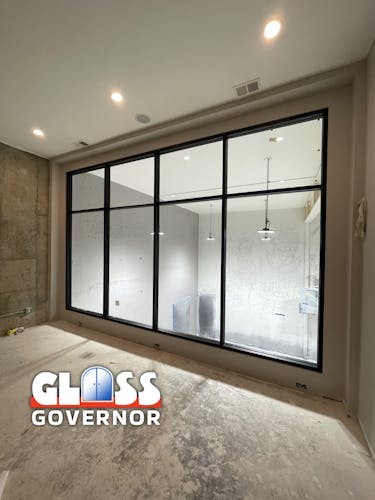
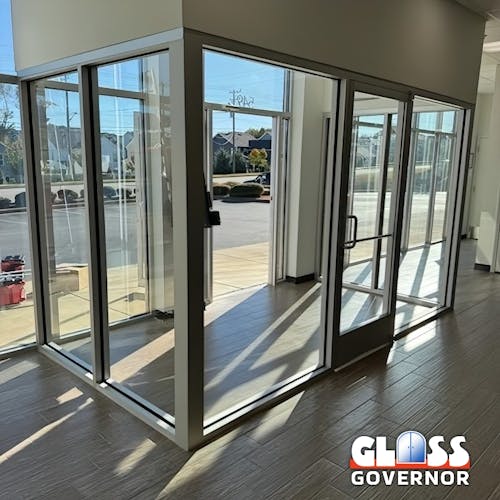
“Glass storefronts” are commercial entrance assemblies that combine structural framing with large insulated glass panels to create an inviting, code-compliant storefront. The right storefront system balances three things:
Product visibility vs. privacy needs
Structural strength vs. a clean, light look
Design consistency vs. tenant flexibility.
Glass Governor installs Glass Storefronts throughout for retail, restaurants, offices, salons, and fitness spaces that want a professional exterior and a brighter interior. When customers can see light, movement, and product through the glass, walk-in confidence goes up. For many businesses, that translates into more foot traffic and stronger first impressions.
We handle everything from glass selection to door hardware to finishing details so your storefront looks sharp and performs like it should, day after day, season after season.

Where Glass Storefronts Fit In
Specialty store glass fronts
Location & Integration
In retail boutiques and specialty stores, glass storefront systems create inviting entrances that showcase merchandise while protecting inventory and supporting premium brand positioning. Floor-to-ceiling glass storefronts maximize visibility from sidewalks, allowing displays to attract foot traffic and draw customers inside. This approach performs exceptionally well in upscale shopping districts where visual merchandising drives purchasing behavior. Proper storefront design balances transparency with security, weather protection, and thermal performance suited to local climate conditions.
Installing & Pairing
We design retail storefronts with narrow-stile framing to maximize glass area and sightlines. Glass options include tempered safety glass or laminated security glass for high-value retail. For boutiques, low-E coatings reduce solar heat gain while preserving natural light. Hardware includes commercial-grade closers and locking systems designed for frequent daily use. Installation is coordinated with security, electrical systems, and interior finishes, scheduled during closures to minimize business disruption.

Hotel lobby storefronts
Location & Integration
In restaurants and hospitality venues, glass storefront systems create welcoming entrances that showcase interior ambiance while supporting climate control and comfort. Transparent storefronts allow diners to see atmosphere and activity, influencing spontaneous dining decisions in competitive markets.
Installing & Pairing
We design restaurant storefronts using hospitality-grade materials resistant to heat, moisture, and heavy use. Glass options include insulated low-E units for comfort and energy efficiency. Sliding or folding systems support indoor-outdoor dining. Installation coordinates with restaurant construction timelines to protect finishes.

Business center storefronts
Location & Integration
Custom storefront systems in professional office environments enhance marketability while delivering reliable performance for building operations. Quality entrances demonstrate commitment to tenant experience and contribute to long-term retention.
Installing & Pairing
We fabricate office storefronts using commercial-grade methods suited for wind loads, energy codes, and security needs. For properties with architectural or historic considerations, we develop custom solutions balancing preservation with modern standards. Installation includes quality control, testing, and coordination with all relevant trades to ensure reliable operation from day one.

Shopping center glass fronts
Location & Integration
Custom storefront programs in commercial developments provide the architectural framework that supports property success while giving tenants reliable entrance systems. Consistent quality storefronts strengthen tenant appeal, support rent premiums, and create operational efficiencies through standardized components.
Installing & Pairing
We fabricate multi-tenant storefront systems using commercial-grade materials and standardized components that deliver consistent results across portfolios while offering tenant-friendly customization within approved options. Programs support predictable capex planning, simplified maintenance, and streamlined tenant approvals. Installation capabilities cover large-scale phased development and individual tenant improvements, providing single-source accountability for storefront quality throughout leasing cycles and property operations.
Comparing Your Glass Storefronts Options
| Storefront Frame Type | What It Is | Visual Impact | Energy Efficiency | When You'd Choose This |
|---|---|---|---|---|
|
Standard Aluminum Storefront
|
Traditional 2-3" aluminum frames around glass
|
Frame is visible - classic commercial look
|
Basic - no thermal break, condensation possible in cold weather
|
Budget-friendly commercial spaces, standard retail, temperate climates
|
|
Narrow-Stile Storefront
|
Thinner 1.75" aluminum frames
|
Less frame, more glass - sleeker appearance
|
Basic to moderate depending on options
|
Contemporary aesthetics on a budget, maximizing glass visibility
|
|
Thermally Broken Storefront
|
Aluminum frames with thermal barrier inside
|
Frame visible but prevents temperature transfer
|
High - prevents condensation, improves insulation
|
Cold climates, energy-conscious buildings, preventing interior condensation
|
|
All-Glass Frameless System
|
Minimal hardware - glass panels joined with small fittings
|
Maximum transparency - almost no visible framing
|
Limited - typically single-pane glass
|
High-end retail, luxury brands, architectural statements, wow-factor entrances
|
|
Heavy-Duty Commercial Frames
|
Thicker, reinforced aluminum framing
|
More substantial, robust appearance
|
Varies - can include thermal breaks
|
High-traffic areas, severe weather zones, security concerns, durability priority
|
|
Security-Rated Storefront
|
Reinforced frames designed for security glass
|
Substantial appearance, security-focused
|
Varies
|
Jewelry stores, banks, high-theft areas, security is top priority
|
|
Automatic Sliding Storefront
|
Frame system integrated with automatic doors
|
Modern, accessible appearance
|
Good when closed - insulated glass typically used
|
High-traffic retail, ADA accessibility requirements, touchless entry desired
|

Proudly Local in Peachtree Battle
With Glass Governor, we specialize in providing professional Glass Storefronts services in Peachtree Battle. Known throughout Peachtree Battle and the Georgia community, we know the unique styles of houses and local companies in Peachtree Battle. Our team ensures every project matches the feel of the area, giving you solutions that are long-lasting and functional.
From enhancing your property, or adding curb appeal to a business property, residents and local shops in Peachtree Battle trust us for custom Glass Storefronts. Our projects often involve contractors to create innovative solutions. Through experience with local architecture, we help your property shine.
Backed by our strong presence throughout Metro Atlanta and our proven results in Peachtree Battle, Glass Governor delivers more than just Glass Storefronts—we deliver lasting impact. Each service we complete is done with care, so you can feel confident your project will enhance your space and stand the test of time.
What Peachtree Battle Residents Must Understand About Glass Storefronts
Peachtree Battle’s mix of historic brick facades and upscale boutiques combined with Atlanta’s hot, humid summers and sudden storm seasons demand glass storefronts engineered for both aesthetic fit and long-term performance. Local architectural guidelines often require custom framing and sightlines that respect vintage proportions, while retailers insist on UV control, energy-efficient insulated units, and secure laminated glass to protect merchandise and withstand hail, wind-driven rain, and occasional freeze-thaw cycles. Proper flashing, thermal breaks, corrosion-resistant hardware, and mildew-resistant sealants are essential to prevent leaks and fogging in high humidity. Glass Governor understands Peachtree Battle’s zoning, material palettes, and seasonal stresses, providing site-specific design, code-compliant fabrication, expert installation, and rapid storm-repair service so storefronts remain beautiful, safe, and durable year-round.
Peachtree Battle Points of Interest

Peachtree Battle Points of Interest

Make It Yours with Custom Designs
With deep expertise in Peachtree Battle’s glass industry, we deliver tailored solutions that meet your exact specifications. From design to installation, our team ensures quality and precision, creating reflective panels that elevate your interior.
What to plan for
If you need a storefront in a historic building: work with experienced contractors creating custom systems respecting architectural character while meeting modern codes, balancing preservation requirements with performance standards, essential for historic commercial districts where character and compliance both matter.
Design
Tempered vs. Laminated Glass: Tempered glass provides impact resistance and safety breaking into small granular pieces if shattered, while laminated glass bonds layers preventing glass scatter and providing security against smash-and-grab break-ins; laminated costs 40-60% more but essential for high-value retail or security concerns. For commercial applications, tempered meets most needs while laminated protects high-value inventory.
Service the Greater Atlanta Area
For business owners and property developers making storefront decisions, working with experienced commercial glass contractors ensures projects account for code compliance, climate performance, and installation quality determining long-term success. Storefront systems represent significant investment deserving professional expertise that delivers results meeting expectations for appearance, performance, and business impact.
Peachtree Battle Glass Storefronts Company
Top Questions About Glass Storefronts
How much do commercial glass storefronts cost in ?
Investment in commercial storefronts should be evaluated against value delivered: retail storefronts driving foot traffic and sales increases documented through customer counts, restaurant entrances attracting diners and enhancing brand perception, office building storefronts improving tenant appeal and property values, and energy-efficient systems reducing operating costs through lower HVAC consumption. For businesses, storefront quality directly impacts revenue and profitability making investment strategic rather than discretionary. Property owners see storefront improvements generate measurable returns through increased rental rates, faster tenant placement, and enhanced property values. We help clients understand trade-offs between economy and premium specifications, explaining how choices impact appearance, performance, durability, and business outcomes ensuring investments align with priorities and deliver value justifying costs.
Can I use regular glass for storefronts in ?
Glass specifications for commercial storefronts must address climate challenges including intense summer sun creating heat gain and glare, humidity affecting comfort and condensation, and occasional severe weather requiring impact resistance in some applications. Low-E coatings on appropriate glass surfaces reflect infrared energy reducing heat gain while maintaining visible light transmission. Appropriate tinting can further reduce solar heat gain though excessive tinting reduces visibility counterproductive for retail. Insulated glass units with thermal spacers prevent edge condensation that damages frames and finishes. For hurricane-prone areas or high-wind exposures, laminated or impact-resistant glass may be required by code, significantly increasing costs but providing essential protection.
How long does storefront installation take in ?
Installation project management ensures storefronts complete on schedule while maintaining quality and minimizing business disruption. We coordinate permitting requiring 1-3 weeks depending on jurisdiction and project complexity, material procurement with 3-4 week lead times for custom fabrication, scheduling balancing business operations with construction requirements, and inspection coordinating final approvals enabling occupancy and operation. For businesses with firm deadlines including lease commencement dates, grand openings, or seasonal factors, we develop schedules meeting commitments through careful planning and coordination. Communication throughout projects keeps business owners informed of progress, any issues requiring decisions, and completion timelines enabling business planning around construction activities.
Will my storefront pass inspection in ?
Codes applying to commercial storefronts include International Building Code adopted by Georgia with local amendments, International Energy Conservation Code for commercial buildings, ADA Accessibility Guidelines for commercial facilities, and NFPA life safety codes for egress and fire protection where applicable. Glass must meet CPSC 16 CFR 1201 or ANSI Z97.1 safety glazing standards in hazardous locations. Doors require panic hardware where serving assembly occupancies. Energy performance must meet commercial building requirements for thermal transmittance and solar heat gain. We ensure compliance through comprehensive understanding of applicable codes, proper design and specification, and installation practices meeting code requirements and inspection standards.
Can you replace just the glass or do I need a complete new storefront?
Selective glass replacement is often possible and cost-effective compared to complete storefront replacement, particularly for recent installations where framing remains in good condition and glass has been damaged from impact or breakage. We assess existing storefront systems, determine feasibility of selective replacement versus complete system renewal, and recommend optimal approaches balancing cost with long-term performance. For older storefronts with failed insulated glass units showing fogging or edge seal failure, glass replacement extends system life economically. However, storefronts 20+ years old with deteriorated frames, obsolete components, or poor energy performance often warrant complete replacement rather than incremental repairs that don’t address fundamental system obsolescence. We provide honest assessment and options enabling informed decisions.