Midtown Glass Storefronts
Looking for a commercial glass storefront in that makes your business stand out on crowded streets and invites people to enter? Cheap aluminum storefront installations look unprofessional and compromise security while failing to showcase your business effectively. This guide to glass storefronts shows how Glass Governor creates stunning commercial entrances that boost curb appeal, improve product visibility, and enhance brand image for retail stores, restaurants, and professional offices competing in competitive markets.
What About Glass Storefronts?
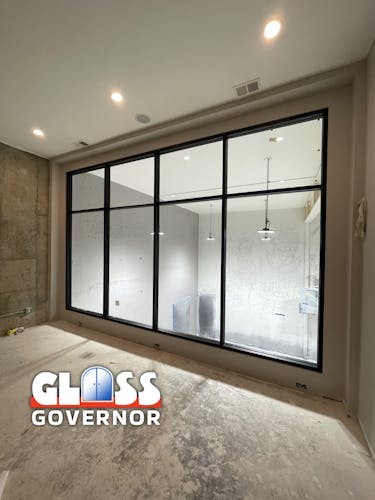
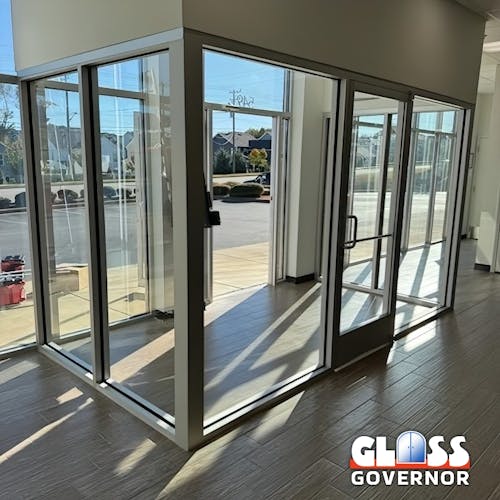
“Glass storefronts” are engineered, weather-tight entrance systems using commercial-grade aluminum extrusions and safety-rated glazing to support retail and business visibility. The right design balances three things:
Customer draw vs. building protection
Open sightlines vs. controlled access
ADA requirements vs. architectural style.
Glass Governor provides Glass Storefronts across for businesses that need their entrance to work as hard as their marketing. A storefront is where brand, security, and usability intersect. Done right, it makes your space feel more premium, more trustworthy, and easier to enter.
We build for real conditions in . That means durable components, tight tolerances, and correct installation methods that prevent future issues like sticking doors, water intrusion, and premature hardware failure.

Where Glass Storefronts Fit In
Retail boutique storefronts
Location & Integration
Storefront systems throughout retail districts function as constant marketing tools, turning entrances into visual assets that drive foot traffic. Glass storefronts enable merchandise visibility from distance while maintaining security and durability essential for retail profitability.
Installing & Pairing
We engineer storefront systems with merchandising effectiveness in mind, considering window depth, door placement, and solar control. Custom features such as etched logos, decorative metalwork, or specialty glass finishes reinforce brand identity. Installation includes structural anchoring, weather sealing, and operational testing to ensure smooth daily use.

Cafe storefront glass
Location & Integration
Glass storefronts in hospitality environments balance transparency with energy performance. These systems connect interior dining spaces with street activity while maintaining comfort and security.
Installing & Pairing
We engineer storefronts for intensive hospitality use, integrating fire safety, accessibility, and security systems. Project management ensures schedules align with opening dates critical to revenue.

Medical office glass fronts
Location & Integration
In professional office buildings and business centers, glass storefront systems create prestigious entrances that project credibility while providing security and climate control for productive work environments. Clean, modern storefront glazing brings natural light into lobbies and reception areas, creating welcoming spaces for clients and employees. This is especially effective in business districts and office parks where building appearance influences tenant attraction and retention. Storefront design must balance transparency with protection, avoiding a fortress-like look while still meeting commercial performance needs.
Installing & Pairing
We design professional office storefront systems using premium commercial materials. Glass often includes insulated low-E units to reduce HVAC costs while maintaining clarity and daylight. For properties, thermally broken aluminum framing helps prevent condensation and energy loss. Hardware includes commercial-grade closers, ADA-compliant operators where needed, and access control integration. Configurations range from single to double doors and automatic sliding systems for higher-traffic properties. Installation coordinates with construction or tenant improvements and integrates with lobby finishes, security systems, and building automation platforms.

Strip mall storefront systems
Location & Integration
Coordinated storefront systems in developments create unified identity that improves marketability and supports stronger tenant mix. Consistency signals quality development and professional management, strengthening leasing performance and supporting premium rent positioning. Standardized systems also reduce long-term maintenance complexity and help protect property value through predictable repair and replacement.
Installing & Pairing
Our multi-tenant storefront programs provide property-level design control while meeting tenant operational needs. We develop approved storefront specifications aligned with architectural guidelines, budgets, and code requirements. For shopping centers and mixed-use properties, we create option sets that streamline tenant approvals while preserving quality. Installation supports phased work across multiple tenant build-outs and we provide ongoing service and repair support for consistent maintenance across spaces.
Comparing Your Glass Storefronts Options
| Storefront Frame Type | What It Is | Visual Impact | Energy Efficiency | When You'd Choose This |
|---|---|---|---|---|
|
Standard Aluminum Storefront
|
Traditional 2-3" aluminum frames around glass
|
Frame is visible - classic commercial look
|
Basic - no thermal break, condensation possible in cold weather
|
Budget-friendly commercial spaces, standard retail, temperate climates
|
|
Narrow-Stile Storefront
|
Thinner 1.75" aluminum frames
|
Less frame, more glass - sleeker appearance
|
Basic to moderate depending on options
|
Contemporary aesthetics on a budget, maximizing glass visibility
|
|
Thermally Broken Storefront
|
Aluminum frames with thermal barrier inside
|
Frame visible but prevents temperature transfer
|
High - prevents condensation, improves insulation
|
Cold climates, energy-conscious buildings, preventing interior condensation
|
|
All-Glass Frameless System
|
Minimal hardware - glass panels joined with small fittings
|
Maximum transparency - almost no visible framing
|
Limited - typically single-pane glass
|
High-end retail, luxury brands, architectural statements, wow-factor entrances
|
|
Heavy-Duty Commercial Frames
|
Thicker, reinforced aluminum framing
|
More substantial, robust appearance
|
Varies - can include thermal breaks
|
High-traffic areas, severe weather zones, security concerns, durability priority
|
|
Security-Rated Storefront
|
Reinforced frames designed for security glass
|
Substantial appearance, security-focused
|
Varies
|
Jewelry stores, banks, high-theft areas, security is top priority
|
|
Automatic Sliding Storefront
|
Frame system integrated with automatic doors
|
Modern, accessible appearance
|
Good when closed - insulated glass typically used
|
High-traffic retail, ADA accessibility requirements, touchless entry desired
|

Our Home: Midtown
At Glass Governor, we specialize in delivering professional Glass Storefronts services in Midtown. Recognized as a preferred team in Georgia, we understand the unique building trends of houses and businesses in Midtown. Our team combines decades of expertise with a deep understanding of community needs, giving you solutions that are built to last and functional.
If you’re investing in your property’s look, or improving a storefront, homeowners and property managers in Midtown choose us for reliable Glass Storefronts. Our projects often involve designers to design custom solutions. Through experience with local architecture, we ensure flawless results.
Backed by our strong presence throughout Metro Atlanta and our track record of successful projects in Midtown, Glass Governor delivers more than just Glass Storefronts—we deliver true value. Each job we complete is done with precision, so you can feel confident your project will look stunning and provide long-term performance.
Key Facts Midtown Homeowners Ought to Consider Regarding Glass Storefronts
Midtown’s mix of historic facades and modern high-rises, heavy pedestrian traffic, and pronounced seasonal swings—from hot, humid summers to freezing winters and occasional gale-force storms—demands glass storefronts that balance aesthetics, durability, and code compliance. Choices such as laminated safety glass, tempered panes, insulated low‑E units, and reinforced framing address noise, thermal performance, UV fade protection for displays, and vandal resistance, while wind-load calculations and freeze‑thaw detailing extend service life. Tight installation windows, load-bearing masonry ties, and landmark-area requirements further complicate projects. Glass Governor, born and based in Midtown, streamlines permitting, specifies appropriate glazing systems, coordinates phased installs to minimize business disruption, and applies local-tested sealants and coatings—ensuring storefronts perform reliably through every Midtown season.
Midtown Points of Interest

| Piedmont Park | Urban park with skyline views and lake. | SCAD FASH Museum of Fashion + Film | Fashion and film exhibits. |
| Atlanta Botanical Garden | Iconic gardens and canopy walk. | Tech Square (Technology Square) | Innovation district at Georgia Tech. |
| High Museum of Art | Renowned art museum. | Alliance Theatre | Performing arts venue. |
| Fox Theatre | Lavish 1929 palace for shows and tours. | Symphony Hall | Atlanta Symphony Orchestra home. |
| Colony Square | Food hall, art and outdoor events. | Woodruff Arts Center | Arts campus. |
| Center for Puppetry Arts | Museum and theater. | Atlanta Contemporary | Contemporary art museum. |
| Federal Reserve Money Museum | Exhibits on currency and banking. | North Ave MARTA | Transit access to citywide attractions. |
| Margaret Mitchell House | Author museum. | Peachtree Street Landmarks | Historic façades and towers. |
| Midtown Mile | Dining, retail and public art corridor. | Arts District Station (MARTA) | MARTA stop in the heart of Midtown. |
| BeltLine Eastside/North Ave Spur | Trail connections to parks. |
Midtown Points of Interest

| Piedmont Park | Urban park with skyline views and lake. |
| Atlanta Botanical Garden | Iconic gardens and canopy walk. |
| High Museum of Art | Renowned art museum. |
| Fox Theatre | Lavish 1929 palace for shows and tours. |
| Colony Square | Food hall, art and outdoor events. |
| Center for Puppetry Arts | Museum and theater. |
| Federal Reserve Money Museum | Exhibits on currency and banking. |
| Margaret Mitchell House | Author museum. |
| Midtown Mile | Dining, retail and public art corridor. |
| BeltLine Eastside/North Ave Spur | Trail connections to parks. |
| SCAD FASH Museum of Fashion + Film | Fashion and film exhibits. |
| Tech Square (Technology Square) | Innovation district at Georgia Tech. |
| Alliance Theatre | Performing arts venue. |
| Symphony Hall | Atlanta Symphony Orchestra home. |
| Woodruff Arts Center | Arts campus. |
| Atlanta Contemporary | Contemporary art museum. |
| North Ave MARTA | Transit access to citywide attractions. |
| Peachtree Street Landmarks | Historic façades and towers. |
| Arts District Station (MARTA) | MARTA stop in the heart of Midtown. |
Make It Yours with Custom Designs
With deep expertise in Midtown’s glass industry, we deliver tailored solutions that meet your exact specifications. From design to installation, our team ensures quality and precision, creating reflective panels that elevate your interior.
What to plan for
If you're outfitting a professional office building: select thermally broken aluminum systems with commercial hardware, insulated low-E glass for energy efficiency, and consider automatic door operators for ADA compliance, perfect for Class A properties where entrance quality influences tenant attraction and property values.
Design
Automatic vs. Manual Doors: Automatic door operators ensure ADA compliance, provide operational convenience, and create prestige appearance, but add $3000-8000+ per opening and require ongoing maintenance; manual doors with proper hardware also meet ADA requirements when specified correctly. For office buildings and high-traffic retail, automatic doors justify investment through convenience and image, while smaller businesses might use manual systems cost-effectively.
Service the Greater Atlanta Area
Our client base spans 's commercial sectors: independent retailers and regional chains, restaurants from fast-casual to fine dining, professional service firms requiring prestigious office entrances, and property developers creating shopping centers and mixed-use projects. This breadth means we've solved storefront challenges across virtually every commercial building type and business sector throughout the metro area.
Midtown Glass Storefronts Company
Top Questions About Glass Storefronts
What's the investment for storefront installation in ?
Commercial storefront costs vary based on system type, glass specifications, door configurations, and project size. Standard aluminum storefronts typically range from 45 to 75 dollars per square foot installed for basic systems with tempered glass and commercial hardware. Narrow-stile systems creating maximum glass area run 65 to 95 dollars per square foot. Heavy-duty systems for high-traffic or security applications range 75 to 110 dollars per square foot. Thermally broken systems with insulated low-E glass cost 95 to 145 dollars per square foot. All-glass frameless systems for luxury retail run 150 to 250 dollars per square foot or more. Rather than generic estimates, we provide detailed quotes after measuring your property and understanding specific requirements including glazing area, glass performance specifications, door types, and any special conditions affecting installation complexity or material requirements.
What makes commercial storefront glass different in ?
Regular residential-grade glass is inappropriate for commercial storefronts requiring tempered safety glass meeting building codes for human impact locations. Commercial storefront glass must be tempered for safety, breaking into small granular pieces rather than dangerous shards if broken. Insulated units for energy performance use commercial-grade spacer systems and edge seals lasting decades under commercial building stresses. Glass thickness specifications typically use 1/4 inch minimum for tempered glazing, with insulated units using appropriate thickness for panel size and wind loads. For commercial applications, using proper commercial-grade glass ensures code compliance, appropriate performance, and durability meeting the demands of commercial use rather than lighter-duty residential applications.
What's involved in the storefront installation process for ?
We complete storefront installations as quickly as possible while maintaining quality standards ensuring long-term performance. Rushing installations creates problems from inadequate preparation, poor weather sealing, or alignment issues that plague installations for years. For businesses with urgent timelines, we can often expedite projects through careful planning, larger crews, or extended work hours, though rushed schedules typically incur premium pricing for acceleration. Typical timelines allow proper preparation, careful installation, and adequate curing of sealants and adhesives ensuring weather-tight durable installations. Emergency repairs or replacements following damage can often mobilize within 24-48 hours providing temporary protection and security with permanent replacement completing on compressed schedules minimizing business disruption from unexpected failures.
What codes apply to storefronts in ?
Special requirements for commercial storefronts in include compliance with Georgia building codes based on International Building Code, accessibility requirements under ADA and Georgia accessibility standards, energy code requirements for commercial buildings, and any specific local amendments or requirements in different jurisdictions. Historic districts may have additional design review requirements affecting storefront appearance and materials. Hurricane-prone coastal areas have impact-resistance requirements though metro area generally does not. Fire-rated assemblies may be required where storefronts are part of fire-resistance-rated walls, requiring specialty systems and materials. We navigate these requirements daily, ensuring storefront designs meet all applicable standards while achieving client aesthetic and functional objectives.
What maintenance do storefronts need in ?
Storefront maintenance for commercial properties includes regular cleaning preventing buildup damaging glass and frames, periodic hardware lubrication and adjustment ensuring proper door operation, weather seal inspection and replacement preventing air and water infiltration, and frame cleaning and touch-up maintaining appearance and preventing corrosion. Annual professional inspection identifies developing problems before they become failures requiring emergency repairs. For property managers responsible for multiple commercial properties, we offer maintenance contracts providing scheduled service and priority emergency response, protecting property investment while ensuring tenant satisfaction through well-maintained storefront systems. Proactive maintenance dramatically extends storefront life and reduces total ownership costs compared to deferred maintenance requiring premature system replacement.