


Marcus Chen stood on the sidewalk outside his Roswell boutique last December, watching potential customers walk past without even glancing at his windows. Five years earlier, when he’d opened, the storefront had felt modern and inviting. Now, surrounded by recently renovated neighbors with floor-to-ceiling glass and LED-backlit displays, his dated aluminum-framed windows looked tired.
“I was losing sales to stores that weren’t better than mine—they just looked better from the street,” Marcus admits. “My merchandise was great. My pricing was competitive. But nobody was walking through the door.”
Marcus talked to three customers who’d chosen competitors instead. Their feedback was consistent: “I didn’t realize you were open. The windows looked dark.” The storefront that had cost $18,000 five years ago was now costing him customers every single day.
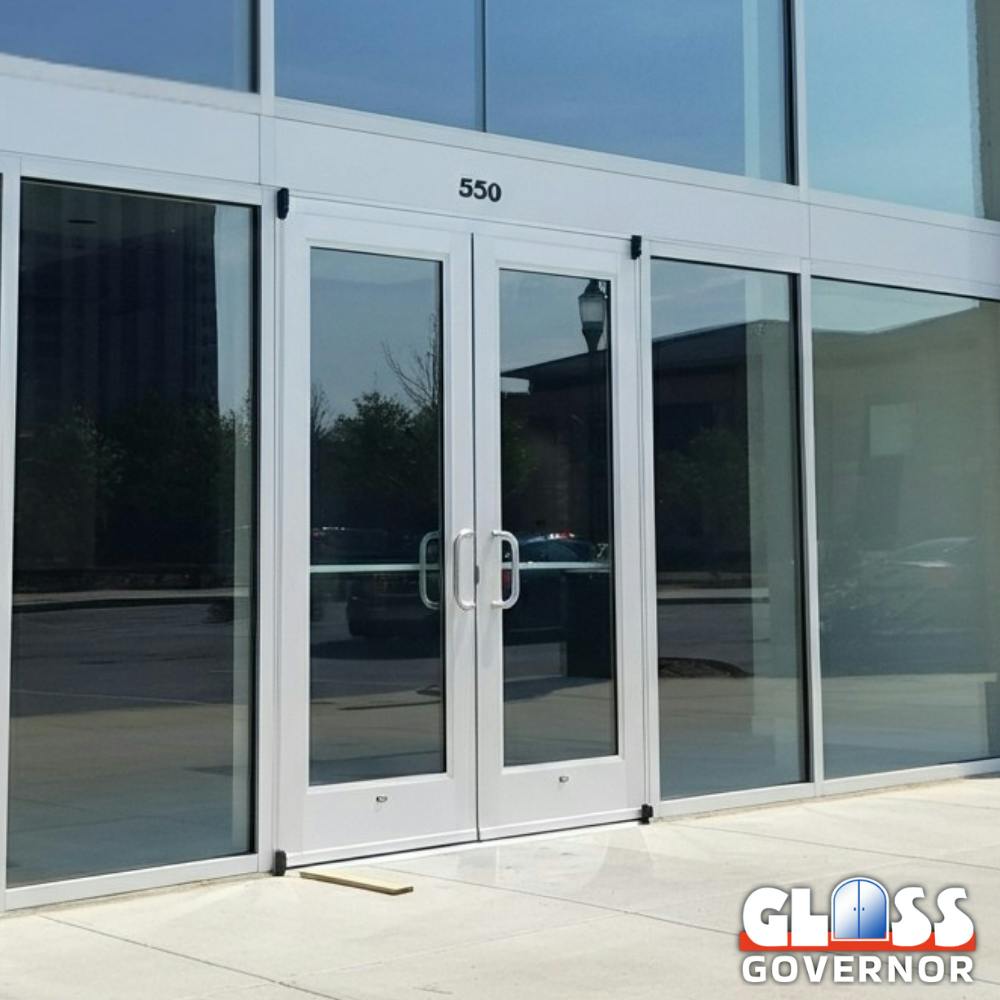
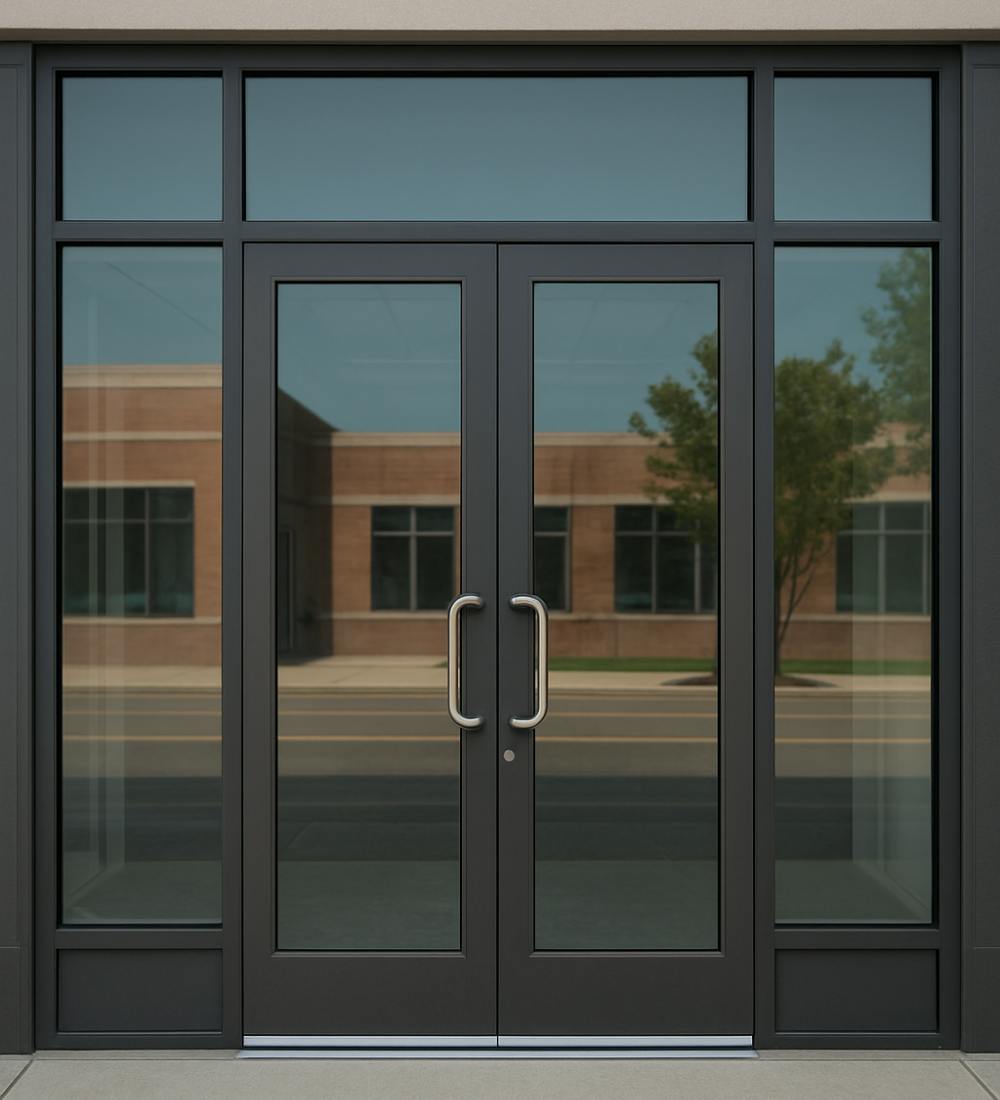
He upgraded to a modern glass storefront system in January. Floor-to-ceiling Low-E glass. Minimal framing. LED accent lighting. The total investment: $32,000—nearly double his original storefront cost.
“By March, foot traffic was up 40%,” Marcus reports. “But here’s what shocked me: my electric bills dropped 28%. The new glass keeps the heat out during summer, so my AC isn’t running constantly. The LED lighting costs nothing to operate. The system paid for itself faster than I expected—and it keeps paying.”
December represents the perfect decision window for retail renovations. Year-end tax benefits make upgrades more affordable. The slower retail season provides installation opportunities. And starting 2026 with a fresh exterior positions businesses for strong spring and summer performance.
For Atlanta retailers in Roswell, Johns Creek, and across metro Atlanta, the glass storefront decision affects daily operations, customer attraction, and bottom-line profitability. Let’s explore what modern retail glass solutions actually deliver—and why December 2025 is the optimal time to upgrade.
Why Your Storefront Matters More Than You Think
Walk down any successful retail corridor—Avalon in Alpharetta, Canton Street in Roswell, Downtown Woodstock—and you’ll notice a pattern. The thriving stores have inviting, transparent storefronts. The struggling stores have dated, opaque exteriors.
This isn’t a coincidence.
The Three-Second Decision
Retail psychology research shows that potential customers make enter/don’t-enter decisions in roughly three seconds. They’re not consciously evaluating—they’re reacting to instant impressions.
What creates positive instant impressions?
- Visibility: Can they see products, activity, appealing interior design?
- Brightness: Does the space look inviting or dark and closed?
- Openness: Does it feel welcoming or intimidating?
- Modernity: Does it signal current relevance or dated irrelevance?
Glass storefronts directly influence all four factors. Solid walls or limited glass visibility? You’re losing the three-second decision before customers even process what you sell.
The 24/7 Sales Tool
Your storefront works around the clock. Even when you’re closed, people walk past, drive past, evaluate your business.
Traditional storefronts with limited glass essentially shut down after hours. Passersby can’t see much. Your merchandise sits invisible in darkness.
Modern glass storefronts with proper lighting turn your closed store into continuous advertisement. Window shoppers browse displays at 10 PM. Joggers passing at 6 AM notice your new merchandise. Your inventory markets itself 24/7.
“I invested in better window displays after the storefront upgrade,” says Marcus. “Why bother before? Nobody could see them clearly through my old windows. Now, my after-hours ‘sales’ are substantial—people browsing my windows at night, then returning during business hours to buy what they saw.”
The Energy Reality
Old storefronts create energy problems most retailers don’t connect to their glass:
Heat gain: Standard glass allows solar heat to pour into your space, forcing AC systems to work overtime during summer months.
Heat loss: Poor insulation lets expensive heated air escape during winter.
Artificial lighting: Dark interiors from inadequate glass require excessive artificial lighting—which generates additional heat your AC must remove.
The cycle compounds. Bad glass creates expensive problems that create more expensive problems.
Modern glass storefronts with Low-E coatings reverse this. According to Department of Energy research, Low-E glass reduces heat transfer by 30-50%, directly cutting HVAC costs.
What Modern Retail Glass Actually Delivers
Let’s examine specific benefits based on real Atlanta retail installations.
Visibility and Product Showcase
Supersized glass panels—8, 10, even 12 feet tall without horizontal mullions—create uninterrupted sightlines into your store.
Customers walking past see:
- Your full product range (not just a window display)
- Store activity (busy stores attract more customers—social proof)
- Interior design quality (signals professionalism and care)
- Staff presence (creates safety perception, especially for female shoppers)
One Athens boutique owner measured results directly. Before renovation: average of 28 people entering daily. After installing floor-to-ceiling glass: 41 people entering daily. Same location. Same merchandise. 46% increase in foot traffic from visibility improvement alone.
Natural Light Transformation
Retail spaces with abundant natural light feel more inviting and allow better merchandise evaluation. Colors appear true under natural light—critical for clothing, home goods, or any product where color accuracy matters.
Studies show that natural light also affects employee mood and customer dwell time. Brighter spaces keep customers browsing longer, increasing average transaction values.
Energy Cost Reduction
The numbers from actual installations:
Before modern glass: Typical 2,000-square-foot retail space in Roswell spending $450-650 monthly on electricity (HVAC and lighting combined).
After Low-E glass installation: Same space spending $280-420 monthly—30-40% reduction.
Annual savings: $2,040-2,760. Over 10 years: $20,400-27,600.
Installation costs for quality retail storefronts: $25,000-45,000 depending on size and specifications.
Payback period: 9-16 years from energy savings alone—before considering increased sales, improved customer experience, or property value enhancement.
For businesses paying $650+ monthly on electricity, payback comes even faster.
Security Without Sacrifice
Retail security creates tension between openness (customers won’t enter if they feel unsafe) and exposure (you need to protect inventory).
Modern storefront glass solves this through specifications:
- Tempered or laminated glass that resists impact better than standard glass
- Security film options that hold glass together even if shattered
- Smart glass that frosts after hours, hiding inventory while maintaining transparency during business
- Integrated security systems with glass-break sensors and camera integration
You get visibility during business hours and security after close—not a compromise between them.
Design Options That Actually Matter
Retail glass storefronts come in various configurations. Understanding options helps you choose effectively.
Frameless vs. Framed Systems
Frameless systems use minimal framing—often just at top and bottom with standoffs or spider fittings at other locations. Maximum visibility. Ultra-modern aesthetic. Premium pricing.
Best for: High-end retail (jewelry, fashion, technology) where modern image matters and budget accommodates premium investment.
Minimally-framed systems use thin aluminum framing around glass panels. Less expensive than frameless. Still provides excellent visibility. Most common choice for retail.
Best for: Most retail applications—balances visibility, cost, and structural performance.
Traditional framed systems use heavier aluminum framing. Less expensive but reduces visibility and looks dated compared to newer alternatives.
Best for: Budget-constrained applications or locations where glass isn’t the primary design element.
Glass Specifications That Impact Performance
Low-E coatings: Microscopically thin metallic layers that reflect heat while allowing light transmission. Essential for energy efficiency in Atlanta’s climate.
Standard glass allows 75-85% of solar heat to enter your space. Low-E glass blocks 40-70% of that heat while maintaining 50-70% visible light transmission.
The result? Bright interiors without the heat penalty.
Tinting options: Gray, bronze, or blue tinting reduces glare and provides additional solar control. But heavy tinting also reduces visibility—counterproductive for retail.
Light tinting (25-35%) provides solar control without significantly impacting visibility. Heavy tinting (50%+) saves more energy but reduces the transparency that attracts customers.
Balance matters. Work with designers who understand retail priorities, not just energy performance.
Insulated glass units: Double-pane glass with air or argon gas between panes provides superior insulation compared to single-pane glass.
Worth the premium? In Atlanta, yes—especially if you’re in a high-exposure location (west-facing storefront, direct sun for extended periods). The energy savings justify the additional cost.
Door Systems
Your entrance door is the highest-traffic component. Choose based on:
Swing doors: Traditional, reliable, and accommodate high traffic volumes. Can be single or double. Most common retail choice.
Sliding doors: Automatic operation impresses customers and accommodates accessibility requirements. Higher cost but premium perception.
Pivot doors: Create dramatic entries. Oversized door panels (8-10 feet tall) make powerful statements. Premium pricing, premium impact.
Door hardware affects both aesthetics and functionality. Commercial-grade closers, locks, and handles cost more than residential hardware but withstand daily abuse and maintain appearance.
The Tax Advantage (Act by December 31)
December urgency comes from tax benefits that expire at year-end.
Section 179 Deduction
Businesses can deduct the full cost of qualifying property improvements in the year placed in service—rather than depreciating over years.
For retail storefronts, this potentially means deducting the entire installation cost from 2025 taxable income if completed by December 31.
Limitations and qualifications apply (consult your accountant), but the tax savings can be substantial—potentially 21-37% of installation costs depending on your tax situation.
Example: $35,000 storefront installation. If your effective tax rate is 30%, the deduction saves $10,500 in taxes. Effective cost: $24,500.
Energy Efficiency Tax Credits
According to IRS guidelines, certain energy-efficient improvements qualify for tax credits—direct reductions in taxes owed, not just deductions.
Commercial property energy improvements can qualify under Section 179D, providing deductions up to $5.00 per square foot for buildings achieving significant energy savings.
Your tax advisor can determine qualification based on your specific installation and energy performance improvements.
The December 31 Deadline
To capture 2025 tax benefits, installations must be completed and in service by December 31, 2025.
Timeline reality for storefront installations:
- Design and permitting: 2-3 weeks
- Glass fabrication: 3-4 weeks
- Installation: 1-2 weeks
Total: 6-9 weeks minimum
If you’re reading this in early December, you’re potentially too late for 2025 benefits. Mid-to-late November? Still achievable if you move quickly.
But 2026 benefits still exist. Don’t let missed 2025 deadlines stop you from smart investments. The operational and sales benefits persist regardless of tax timing.
Real Atlanta Retail Results
Let’s examine actual outcomes from metro Atlanta retailers who upgraded storefronts.
Boutique Clothing Store, Canton Street
Challenge: Outdated storefront made store look closed even during business hours. Foot traffic declining as neighboring stores renovated.
Solution: Complete storefront replacement with floor-to-ceiling Low-E glass, minimal aluminum framing, LED-integrated entry door.
Results:
- Foot traffic increased 52% within three months
- Average transaction value up 18% (customers browsing longer, buying more)
- Energy costs down 34% (despite adding window display lighting)
- Two customers specifically mentioned storefront in online reviews
Owner perspective: “I waited too long. I thought my merchandise would carry me. But if people don’t come in because the exterior looks uninviting, great merchandise doesn’t matter.”
Home Goods Store, East Roswell
Challenge: Large storefront (40 linear feet) with dated brown-tinted glass and heavy framing. Interior felt dark. AC bills exceeding $800 monthly in summer.
Solution: Low-E clear glass throughout, modern thin framing, improved door hardware, LED accent lighting.
Results:
- Summer AC costs dropped to $510-550 monthly (37% reduction)
- Customer comments about “bright, welcoming store” increased dramatically
- Sales up 23% year-over-year (owner attributes 60% to better storefront, 40% to general market)
- Instagram-worthy storefront photos customers post regularly—free marketing
ROI calculation: Installation cost $41,000. Annual energy savings $3,360. Tax deduction saved $12,300. Effective cost $28,700. Payback from energy alone: 8.5 years. Including sales increase: 18 months.
Tech Accessories Shop, Downtown Woodstock
Challenge: Competing with big-box stores and online retailers. Needed differentiation based on experience and service.
Solution: Ultra-modern frameless glass entry, smart glass that becomes storefront video wall after hours (displaying brand content and product highlights).
Results:
- Became Instagram destination (customers photograph storefront regularly)
- After-hours video wall viewed by estimated 500+ people weekly
- Foot traffic up 67% first year (some curiosity factor, but sustained)
- Positioned as modern, innovative retailer—exactly the brand differentiation needed
Innovation factor: Smart glass video wall cost premium ($8,000 additional beyond standard glass), but marketing value exceeded cost within 6 months.
Common Concerns (And Honest Answers)
Every retail storefront conversation includes these questions.
“Can We Afford to Close During Installation?”
Fair concern. Most retail can’t shut down for weeks.
Reality: Installations happen in phases that minimize disruption. You’re typically fully closed 3-5 days maximum for final installation. Preparation work happens outside business hours or in sections that allow you to remain operational.
One section closes while others stay open. Final switch happens over a weekend or during your slowest days.
It requires coordination, but it’s manageable for businesses that can’t afford extended closure.
“What About Smash-and-Grab Risk?”
Glass storefronts create anxiety about security. Won’t large glass panels make break-ins easier?
Counterintuitive reality: Modern storefront glass with proper specifications (tempered or laminated) is harder to breach than you’d expect. And the visibility works both ways—criminals prefer low-visibility targets where they can work unobserved.
Additional security measures:
- Laminated glass that holds together even when shattered
- Security film that prevents quick entry
- Monitored alarm systems with glass-break sensors
- Visibility that discourages attempts (busy streets = witnesses)
Successful retail districts with extensive glass storefronts (Avalon, Ponce City Market, various Perimeter area developments) don’t have higher break-in rates than areas with solid walls. Proper specifications and security systems provide adequate protection.
“How Long Does Quality Glass Last?”
Longevity matters for ROI calculations.
Properly installed commercial glass storefronts last 25-35 years with minimal maintenance. Hardware (door closers, locks, hinges) may need replacement after 15-20 years, but glass itself doesn’t deteriorate.
Compare this to other exterior improvements:
- Paint: 5-7 years
- Exterior siding: 15-25 years
- Roofing: 15-30 years
Quality glass storefronts outlast most building components. The high upfront cost amortizes over decades of performance.
Making the Investment Decision
The glass storefront decision comes down to three questions:
1. How much are lost customers costing you?
If your current storefront turns away even one customer daily (because it looks closed, uninviting, or dated), that’s 365 lost customers annually. At $75 average transaction, that’s $27,375 in lost revenue yearly.
A $35,000 storefront upgrade that captures those customers pays for itself in 15 months—then continues delivering returns.
2. What’s your timeline for occupying this location?
If you’re planning to move in 2-3 years, ROI might not materialize before relocation. If you’re committed to the location for 5-10+ years, the investment makes clear financial sense.
Exception: If you own the property, the upgrade adds to property value and transfers with sale.
3. How much do you value daily operational improvements?
Beyond customer attraction, modern storefronts deliver daily benefits:
- Lower energy costs
- Better lighting for staff
- More comfortable interior climate
- Pride in your business presentation
- Competitive positioning against newer retailers
These compound over years of operation.
Your December Decision
December represents optimal timing for retail storefront decisions because:
Tax benefits available if completed by year-end (or plan for 2026 benefits)
Slower retail season provides installation windows with less disruption
Competitive positioning for spring/summer (your peak season starts with fresh exterior)
Budget cycles align with business planning for new fiscal year
Glass Governor has designed and installed retail storefronts throughout metro Atlanta—from individual boutiques to multi-storefront developments. We understand retail priorities: minimize disruption, maximize visibility, deliver reliable performance.
Schedule a retail storefront consultation. We’ll assess your current storefront, discuss your business goals, show relevant examples from similar retail types, and develop proposals that work within your timeline and budget.
Call Your Local Atlanta Glass And Mirror Company Today! Excellent Service at a Fair Price!
Your storefront works 24/7. Make sure it’s working for you, not against you.
Contact Glass Governor or request a consultation online.
Related Resources:
- Explore commercial glass storefront systems and design options
- Learn about glass entry doors for retail applications
- Discover commercial glass solutions for various business types
- View retail installations across Roswell and metro Atlanta