
Duluth Glass Storefronts
Want your business to make a powerful first impression that drives foot traffic and builds instant trust with potential customers? Outdated storefronts with dated aluminum framing and cloudy glass signal neglect and push customers toward competitors with modern professional entrances. Learn how glass storefronts in from Glass Governor balance aesthetics, functionality, and security for retail, hospitality, and professional office applications that elevate your commercial presence and competitive positioning.
What About Glass Storefronts?
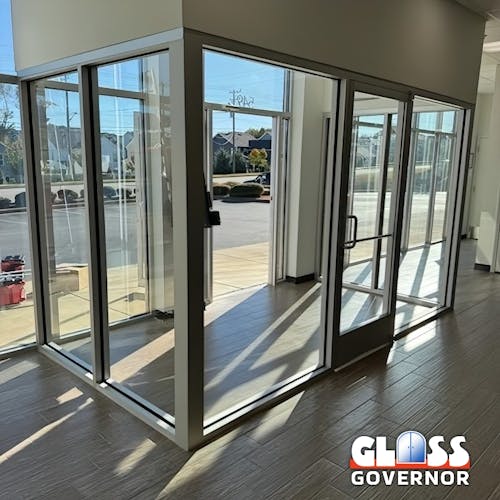
“Glass storefronts” are engineered, weather-tight entrance systems using commercial-grade aluminum extrusions and safety-rated glazing to support retail and business visibility. The right design balances three things:
Customer draw vs. building protection
Open sightlines vs. controlled access
ADA requirements vs. architectural style.
Glass Governor provides Glass Storefronts across for businesses that need their entrance to work as hard as their marketing. A storefront is where brand, security, and usability intersect. Done right, it makes your space feel more premium, more trustworthy, and easier to enter.
We build for real conditions in . That means durable components, tight tolerances, and correct installation methods that prevent future issues like sticking doors, water intrusion, and premature hardware failure.

Where Glass Storefronts Fit In
Retail boutique storefronts
Location & Integration
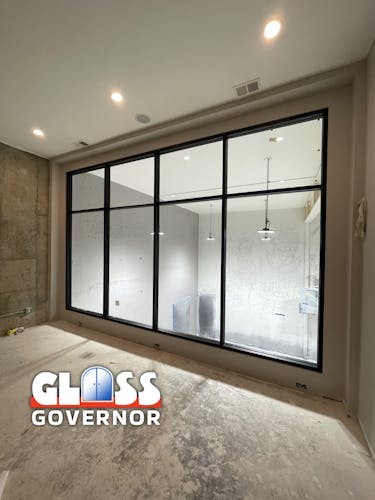
In retail boutiques and specialty stores, glass storefront systems create inviting entrances that showcase merchandise while protecting inventory and supporting premium brand positioning. Floor-to-ceiling glass storefronts maximize visibility from sidewalks, allowing displays to attract foot traffic and draw customers inside. This approach performs exceptionally well in upscale shopping districts where visual merchandising drives purchasing behavior. Proper storefront design balances transparency with security, weather protection, and thermal performance suited to local climate conditions.
Installing & Pairing
We design retail storefronts with narrow-stile framing to maximize glass area and sightlines. Glass options include tempered safety glass or laminated security glass for high-value retail. For boutiques, low-E coatings reduce solar heat gain while preserving natural light. Hardware includes commercial-grade closers and locking systems designed for frequent daily use. Installation is coordinated with security, electrical systems, and interior finishes, scheduled during closures to minimize business disruption.

Hotel lobby storefronts
Location & Integration
Custom glass storefronts in hospitality venues create transparent entrances that drive spontaneous dining while supporting operational performance.
Installing & Pairing
We fabricate storefront systems using hospitality-proven materials addressing moisture, heat, and noise. Design flexibility supports unique concepts, with installation scheduled to avoid revenue disruption.

Business center storefronts
Location & Integration
Glass storefront systems across office applications create the professional entry experience that attracts quality tenants and supports building performance through light, insulation, and weather protection. In competitive office markets, entrance quality influences leasing decisions and retention, and storefront upgrades can support stronger property valuations.
Installing & Pairing
We engineer storefronts to commercial standards for durability and lifecycle cost control. Glass selection balances thermal performance and clarity. For buildings with architectural constraints, we match design guidelines while adding modern efficiency and security. Installation includes structural anchoring, weather sealing, coordination with HVAC and security systems, and performance verification prior to occupancy.

Shopping center glass fronts
Location & Integration
In mixed-use developments, shopping centers, and multi-tenant commercial properties, coordinated glass storefront systems create cohesive architectural identity while accommodating diverse tenant needs. Consistent storefront standards elevate overall property presentation while providing tenants with quality entrances that support operations. This approach works especially well in mixed-use projects and retail centers where design consistency improves marketability and tenant appeal. Storefront programs must balance property requirements with tenant flexibility for branding, visibility, accessibility, and performance.
Installing & Pairing
We design multi-tenant storefront systems using modular commercial-grade components that support consistency and cost efficiency while allowing approved customization. Base specs often include aluminum framing in property-approved finishes, insulated low-E glass, and commercial hardware meeting durability and code requirements. For developments, we help establish storefront standards that balance control and flexibility, including approved finish palettes, glass types, and door configurations. Installation coordinates with phased leasing and tenant improvement schedules, and we can provide preferred pricing and streamlined approvals for tenants to maintain consistency across the property.
Comparing Your Glass Storefronts Options
| Storefront Frame Type | What It Is | Visual Impact | Energy Efficiency | When You'd Choose This |
|---|---|---|---|---|
|
Standard Aluminum Storefront
|
Traditional 2-3" aluminum frames around glass
|
Frame is visible - classic commercial look
|
Basic - no thermal break, condensation possible in cold weather
|
Budget-friendly commercial spaces, standard retail, temperate climates
|
|
Narrow-Stile Storefront
|
Thinner 1.75" aluminum frames
|
Less frame, more glass - sleeker appearance
|
Basic to moderate depending on options
|
Contemporary aesthetics on a budget, maximizing glass visibility
|
|
Thermally Broken Storefront
|
Aluminum frames with thermal barrier inside
|
Frame visible but prevents temperature transfer
|
High - prevents condensation, improves insulation
|
Cold climates, energy-conscious buildings, preventing interior condensation
|
|
All-Glass Frameless System
|
Minimal hardware - glass panels joined with small fittings
|
Maximum transparency - almost no visible framing
|
Limited - typically single-pane glass
|
High-end retail, luxury brands, architectural statements, wow-factor entrances
|
|
Heavy-Duty Commercial Frames
|
Thicker, reinforced aluminum framing
|
More substantial, robust appearance
|
Varies - can include thermal breaks
|
High-traffic areas, severe weather zones, security concerns, durability priority
|
|
Security-Rated Storefront
|
Reinforced frames designed for security glass
|
Substantial appearance, security-focused
|
Varies
|
Jewelry stores, banks, high-theft areas, security is top priority
|
|
Automatic Sliding Storefront
|
Frame system integrated with automatic doors
|
Modern, accessible appearance
|
Good when closed - insulated glass typically used
|
High-traffic retail, ADA accessibility requirements, touchless entry desired
|
About Duluth
At Glass Governor, we specialize in delivering professional Glass Storefronts services in Duluth. As a trusted glass company, we know the unique styles of homes and commercial properties in Duluth. Our team combines decades of expertise with a deep understanding of community needs, giving you solutions that are long-lasting and visually striking.
If you’re investing in your property’s value, or adding value to a business property, families and property managers in Duluth choose us for quality Glass Storefronts. We’ve worked closely with homeowners to install lasting solutions. With knowledge of what Duluth property owners prefer, we help your property stand out.
Backed by our reputation across Georgia and our track record of successful projects in Duluth, Glass Governor delivers more than just Glass Storefronts—we deliver true value. Every installation or repair is done with expert craftsmanship, so you can feel confident your project will transform your property and stand the test of time.
What Duluth Residents Need to Know About Glass Storefronts
In Duluth, glass storefronts must withstand Lake Superior winds, lake-effect snow, freeze–thaw cycles and heavy road salt while fitting the city’s mix of historic brick buildings and modern Canal Park tourism needs. These conditions steer choices toward insulated low-e glazing, laminated or tempered safety glass, thermally-broken aluminum frames, robust drainage and salt-resistant finishes; installers must plan flashing and sealants for freeze-thaw movement and slope-sensitive thresholds. Retailers and galleries also require customizable storefronts that balance energy efficiency, security and historic preservation standards. Glass Governor, a local expert, designs and installs purpose-built systems — custom-sized insulated units, corrosion-resistant framing, heated thresholds and museum-grade glazing — and handles permitting, maintenance and rapid repairs so Duluth businesses get durable, code-compliant storefronts optimized for the North Shore climate.
Duluth Points of Interest

| Duluth City Hall | Civic building and public service hub. | Duluth Nature Preserve (McDaniel Farm Park) | Trails and wildlife viewing. |
| Duluth Public Library (Gwinnett County Public Library - Duluth Branch) | Library branch with community programs and resources. | Duluth Greenway Trail (Western Gwinnett Bikeway) | Paved multi‑use path for walking and biking. |
| Duluth Town Green | Community lawn hosting concerts and events. | Duluth Main Park (Duluth Town Green) | Playgrounds, picnic areas and walking paths. |
| Duluth Community Center (Bunten Road Park) | Facility with classes, meetings and rentals. | Duluth Dog Park (Chattapoochee Dog Park) | Fenced areas for off‑leash exercise. |
| Duluth Recreation Center (Bunten Road Park) | Courts, fitness rooms and youth programs. | Duluth Skate Park (Shorty Howell Park) | Bowls and ramps for boards and scooters. |
| Duluth Sports Complex (Bunten Road Park) | Baseball, soccer and multi‑use fields. | Duluth Amphitheater (Duluth Festival Center) | Outdoor stage for concerts and movies. |
| Duluth Aquatic Center (Bunten Road Park) | Pools and swim programs (seasonal). | Duluth Historic District | Streets with preserved architecture and landmarks. |
| Duluth Farmers Market | Local growers and artisanal goods (seasonal). | Duluth Shopping District (Gwinnett Place Mall) | Retail cluster with restaurants and services. |
| Duluth Cultural Arts Center (Red Clay Music Foundry) | Exhibits, classes and performances. | Duluth Golf Club (TPC Sugarloaf) | Local course and practice facilities. |
| Duluth History Museum | Local history exhibits and archives. |
Duluth Points of Interest

| Duluth City Hall | Civic building and public service hub. |
| Duluth Public Library (Gwinnett County Public Library - Duluth Branch) | Library branch with community programs and resources. |
| Duluth Town Green | Community lawn hosting concerts and events. |
| Duluth Community Center (Bunten Road Park) | Facility with classes, meetings and rentals. |
| Duluth Recreation Center (Bunten Road Park) | Courts, fitness rooms and youth programs. |
| Duluth Sports Complex (Bunten Road Park) | Baseball, soccer and multi‑use fields. |
| Duluth Aquatic Center (Bunten Road Park) | Pools and swim programs (seasonal). |
| Duluth Farmers Market | Local growers and artisanal goods (seasonal). |
| Duluth Cultural Arts Center (Red Clay Music Foundry) | Exhibits, classes and performances. |
| Duluth History Museum | Local history exhibits and archives. |
| Duluth Nature Preserve (McDaniel Farm Park) | Trails and wildlife viewing. |
| Duluth Greenway Trail (Western Gwinnett Bikeway) | Paved multi‑use path for walking and biking. |
| Duluth Main Park (Duluth Town Green) | Playgrounds, picnic areas and walking paths. |
| Duluth Dog Park (Chattapoochee Dog Park) | Fenced areas for off‑leash exercise. |
| Duluth Skate Park (Shorty Howell Park) | Bowls and ramps for boards and scooters. |
| Duluth Amphitheater (Duluth Festival Center) | Outdoor stage for concerts and movies. |
| Duluth Historic District | Streets with preserved architecture and landmarks. |
| Duluth Shopping District (Gwinnett Place Mall) | Retail cluster with restaurants and services. |
| Duluth Golf Club (TPC Sugarloaf) | Local course and practice facilities. |
Make It Yours with Custom Designs
With deep expertise in Duluth’s glass industry, we deliver tailored solutions that meet your exact specifications. From design to installation, our team ensures quality and precision, creating reflective panels that elevate your interior.
What to plan for
If you need a storefront in a historic building: work with experienced contractors creating custom systems respecting architectural character while meeting modern codes, balancing preservation requirements with performance standards, essential for historic commercial districts where character and compliance both matter.
Design
Tempered vs. Laminated Glass: Tempered glass provides impact resistance and safety breaking into small granular pieces if shattered, while laminated glass bonds layers preventing glass scatter and providing security against smash-and-grab break-ins; laminated costs 40-60% more but essential for high-value retail or security concerns. For commercial applications, tempered meets most needs while laminated protects high-value inventory.
Service the Greater Atlanta Area
For business owners and property developers making storefront decisions, working with experienced commercial glass contractors ensures projects account for code compliance, climate performance, and installation quality determining long-term success. Storefront systems represent significant investment deserving professional expertise that delivers results meeting expectations for appearance, performance, and business impact.
Duluth Glass Storefronts Company
Top Questions About Glass Storefronts
How should I budget for glass storefront replacement in ?
Budget planning for storefront projects should consider financing options and potential phasing if comprehensive replacement exceeds current budgets. Many businesses finance storefront improvements through equipment loans or commercial property improvement programs, spreading costs while enjoying immediate benefits from improved customer attraction and reduced energy costs. Phasing might address highest-visibility areas first with secondary elevations deferred, or replace critical failing sections immediately while planning future full system replacement. We work with clients developing approaches fitting financial constraints while achieving essential functional and aesthetic goals, whether through value engineering specifications or strategic phasing spreading investments across time.
How do I choose glass for commercial storefronts in ?
The best glass for commercial storefronts balances thermal performance, safety compliance, and visual clarity while meeting budget constraints and specific business needs. For most applications, insulated low-E glass units provide optimal performance: dual-pane construction with low-emissivity coatings reducing solar heat gain by 50-70%, inert gas fills improving thermal resistance, and tempered safety glass meeting building codes. These specifications reduce cooling costs in ’s hot humid summers while maintaining transparency essential for retail visibility and natural light. For high-security applications like jewelry stores or electronics retail, laminated glass adds break-in resistance by bonding layers that prevent glass scatter even when shattered. Budget-conscious projects might use single-pane tempered glass sacrificing energy performance for lower initial cost, though lifecycle costs often favor insulated glass through reduced energy consumption.
How long does storefront installation take in ?
Storefront installation timelines vary based on project scope, building conditions, and whether new construction or retrofit replacement. Small storefront replacements for single retail doors might complete in 2-3 days from demolition through installation and final adjustment. Comprehensive retail storefront systems typically take 1-2 weeks including removal of old systems, any necessary structural modifications, new storefront installation, and final detailing. Large projects like office building entrances or restaurant storefronts with operable walls might require 2-4 weeks for complete installation. For businesses, we develop schedules minimizing operational disruption, often working during closed hours, evenings, or weekends allowing business continuation. Phased installations can maintain portions of businesses operational during construction. We provide detailed timelines during proposal phase enabling business owners to plan accordingly for any necessary closures or operational modifications.
What codes apply to storefronts in ?
Codes applying to commercial storefronts include International Building Code adopted by Georgia with local amendments, International Energy Conservation Code for commercial buildings, ADA Accessibility Guidelines for commercial facilities, and NFPA life safety codes for egress and fire protection where applicable. Glass must meet CPSC 16 CFR 1201 or ANSI Z97.1 safety glazing standards in hazardous locations. Doors require panic hardware where serving assembly occupancies. Energy performance must meet commercial building requirements for thermal transmittance and solar heat gain. We ensure compliance through comprehensive understanding of applicable codes, proper design and specification, and installation practices meeting code requirements and inspection standards.
What if my storefront glass is broken in ?
Emergency storefront repairs receive priority response with crews available 24/7 for commercial clients. Initial response provides temporary security through boarding and emergency glazing preventing further damage or loss. Follow-up permanent repairs complete as quickly as possible, typically within 24-72 hours depending on glass specifications and availability. For critical businesses unable to operate with damaged storefronts, we prioritize repairs enabling business reopening while scheduling final finishing during less critical hours. Emergency repair pricing reflects urgency and off-hours labor, though costs are typically covered by commercial property insurance policies. We work directly with insurance companies providing documentation and direct billing when possible, simplifying claims processes for business owners dealing with damage stress.