Buckhead Glass Storefronts
Need a glass storefront installation in that combines style, security, and energy efficiency for your retail store, restaurant, or office building? Generic budget storefronts lack the visual impact and performance your business deserves in competitive commercial real estate. Discover how glass storefronts from Glass Governor transform commercial spaces with custom designs that attract customers, meet strict building codes, and deliver decades of reliable performance protecting your investment.
What About Glass Storefronts?
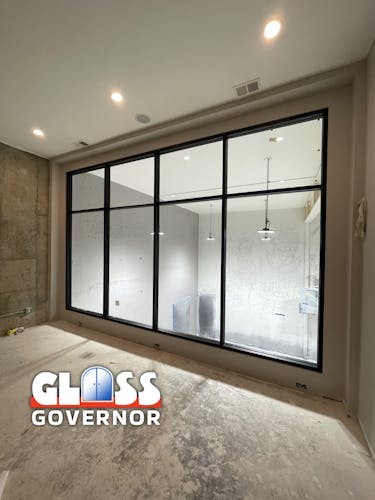
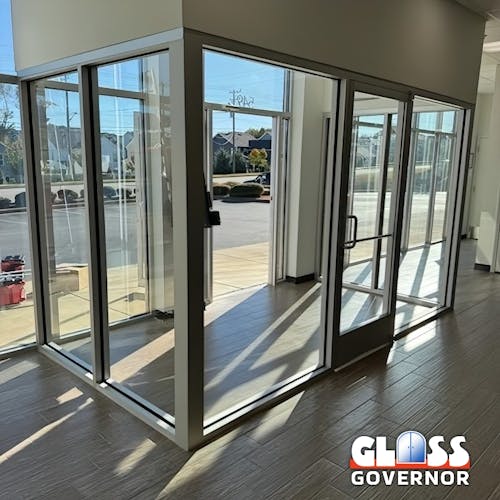
“Glass storefronts” refer to commercial-grade entrance systems built with large glass panels set in aluminum or steel framing. The right storefront balances three things:
Visibility vs. security
Natural light vs. thermal control
Brand impact vs. long-term durability.
Glass Governor provides Glass Storefronts as a core commercial offering within our custom glass services. In , your storefront is not just an entrance. It is your first sales touchpoint. A modern, clear storefront helps customers see what you offer, feel invited to walk in, and trust your business before they ever touch the door handle.
Beyond looks, performance matters. We specify safety-rated glass, dependable hardware, and clean detailing that stands up to constant traffic. In ’s hot, humid weather, proper sealing and glazing choices also protect interiors from air leaks and moisture issues that turn into costly maintenance later.

Where Glass Storefronts Fit In
Retail boutique storefronts
Location & Integration
Glass storefronts in boutique retail environments create differentiation in markets where first impressions determine customer choice. Superior storefront quality signals professionalism and trust, supporting customer loyalty and higher margins.
Installing & Pairing
We fabricate storefront systems using commercial-grade materials designed for durability and climate exposure. Extensive design flexibility allows storefronts to align with brand aesthetics. Installation includes final testing and adjustment, ensuring readiness for business operations from day one.

Food service glass doors
Location & Integration
Glass storefronts in hospitality environments balance transparency with energy performance. These systems connect interior dining spaces with street activity while maintaining comfort and security.
Installing & Pairing
We engineer storefronts for intensive hospitality use, integrating fire safety, accessibility, and security systems. Project management ensures schedules align with opening dates critical to revenue.

Medical office glass fronts
Location & Integration
In professional office buildings and business centers, glass storefront systems create prestigious entrances that project credibility while providing security and climate control for productive work environments. Clean, modern storefront glazing brings natural light into lobbies and reception areas, creating welcoming spaces for clients and employees. This is especially effective in business districts and office parks where building appearance influences tenant attraction and retention. Storefront design must balance transparency with protection, avoiding a fortress-like look while still meeting commercial performance needs.
Installing & Pairing
We design professional office storefront systems using premium commercial materials. Glass often includes insulated low-E units to reduce HVAC costs while maintaining clarity and daylight. For properties, thermally broken aluminum framing helps prevent condensation and energy loss. Hardware includes commercial-grade closers, ADA-compliant operators where needed, and access control integration. Configurations range from single to double doors and automatic sliding systems for higher-traffic properties. Installation coordinates with construction or tenant improvements and integrates with lobby finishes, security systems, and building automation platforms.

Shopping center glass fronts
Location & Integration
For property owners and developers, coordinated storefront systems are infrastructure that impacts leasing results, tenant satisfaction, and long-term operating efficiency. Standardization supports purchasing leverage, simplifies service, and keeps property presentation consistent as tenants change over time. In competitive development markets, storefront quality directly supports positioning and value creation.
Installing & Pairing
We support development teams with storefront specifications for planning and budgeting, preferred tenant pricing for build-outs, and ongoing maintenance services. For properties, we coordinate closely with architects and property managers to ensure standards are enforceable, practical, and maintainable. We handle everything from new rollouts to replacements in occupied centers with minimal disruption to neighboring tenants. Quality control protects consistent results across multiple spaces and timelines.
Comparing Your Glass Storefronts Options
| Storefront Frame Type | What It Is | Visual Impact | Energy Efficiency | When You'd Choose This |
|---|---|---|---|---|
|
Standard Aluminum Storefront
|
Traditional 2-3" aluminum frames around glass
|
Frame is visible - classic commercial look
|
Basic - no thermal break, condensation possible in cold weather
|
Budget-friendly commercial spaces, standard retail, temperate climates
|
|
Narrow-Stile Storefront
|
Thinner 1.75" aluminum frames
|
Less frame, more glass - sleeker appearance
|
Basic to moderate depending on options
|
Contemporary aesthetics on a budget, maximizing glass visibility
|
|
Thermally Broken Storefront
|
Aluminum frames with thermal barrier inside
|
Frame visible but prevents temperature transfer
|
High - prevents condensation, improves insulation
|
Cold climates, energy-conscious buildings, preventing interior condensation
|
|
All-Glass Frameless System
|
Minimal hardware - glass panels joined with small fittings
|
Maximum transparency - almost no visible framing
|
Limited - typically single-pane glass
|
High-end retail, luxury brands, architectural statements, wow-factor entrances
|
|
Heavy-Duty Commercial Frames
|
Thicker, reinforced aluminum framing
|
More substantial, robust appearance
|
Varies - can include thermal breaks
|
High-traffic areas, severe weather zones, security concerns, durability priority
|
|
Security-Rated Storefront
|
Reinforced frames designed for security glass
|
Substantial appearance, security-focused
|
Varies
|
Jewelry stores, banks, high-theft areas, security is top priority
|
|
Automatic Sliding Storefront
|
Frame system integrated with automatic doors
|
Modern, accessible appearance
|
Good when closed - insulated glass typically used
|
High-traffic retail, ADA accessibility requirements, touchless entry desired
|

Our Home: Buckhead
At Glass Governor, we specialize in offering professional Glass Storefronts services in Buckhead. As a long-standing glass company, we understand the unique design preferences of houses and local companies in Buckhead. Our team ensures every project complements the character of the area, giving you solutions that are long-lasting and aesthetic.
Whether you’re upgrading your residence, or improving a shop, families and local shops in Buckhead rely on us for reliable Glass Storefronts. Our projects often involve local builders to install innovative solutions. With knowledge of what Buckhead property owners are looking for, we make sure your project fits perfectly.
Backed by our reputation across Georgia and our proven results in Buckhead, Glass Governor delivers more than just Glass Storefronts—we deliver true value. All work we handle is done with expert craftsmanship, so you can feel confident your project will transform your property and provide long-term performance.
Things Buckhead Homeowners Ought to Consider Regarding Glass Storefronts
Glass storefronts in Buckhead must balance upscale architectural variety and demanding local weather — hot, humid summers with intense sun, seasonal thunderstorms and occasional freezes — so owners choose laminated, tempered and low-E insulated glass with durable framing and thermal breaks to prevent fogging and solar gain. Historic façades and contemporary high-rise retail require custom profiles, bronze or painted finishes, and careful permitting to meet preservation guidelines and property‑owner associations. Businesses also need strong security glazing, anti-graffiti coatings, and sound control for bustling Peachtree corridors. Glass Governor, as Buckhead’s local expert, designs, sources and installs code‑compliant systems, coordinates with architects and property managers, and provides rapid emergency repairs and maintenance programs that maximize durability, energy performance and curb appeal in this high-end, climate‑challenged market.
Buckhead Points of Interest

| Atlanta History Center | Major museum with gardens and immersive exhibits. | Georgia Governor’s Mansion | Greek Revival residence with public tours. |
| Swan House | Classical Revival mansion at the History Center. | Bobby Jones Golf Course | Public reversible 18‑hole course. |
| Buckhead Village District | Luxury shopping and dining streetscape. | Buckhead Theatre | Historic 1930 venue for concerts and events. |
| Lenox Square | Landmark mall with flagship retailers. | Peachtree Road Farmers Market | Saturday market at St. Philip. |
| Lenox Square | Landmark mall with flagship retailers. | Duck Pond Park (Peachtree Hills) | Neighborhood park with pond and wildlife. |
| Phipps Plaza | Upscale mall with dining and entertainment. | ADAC (Atlanta Decorative Arts Center) | Design showrooms and industry events. |
| LEGO Discovery Center | Indoor LEGO attraction with rides and workshops. | Frankie Allen Park | Community park with tennis courts. |
| PATH400 Greenway | Trail connecting neighborhoods along GA‑400. | Peachtree Hills Park | Neighborhood park and recreation center. |
| Blue Heron Nature Preserve | Urban preserve with trails and wetlands. | Atlanta Memorial Park | Greenspace along Peachtree Creek. |
| Cadence Bank Amphitheatre (at Chastain Park) | Outdoor concert venue at Chastain Park. | Mountain Way Common | Linear park under GA‑400 linked to PATH400. |
Buckhead Points of Interest

| Atlanta History Center | Major museum with gardens and immersive exhibits. |
| Swan House | Classical Revival mansion at the History Center. |
| Buckhead Village District | Luxury shopping and dining streetscape. |
| Lenox Square | Landmark mall with flagship retailers. |
| Lenox Square | Landmark mall with flagship retailers. |
| Phipps Plaza | Upscale mall with dining and entertainment. |
| LEGO Discovery Center | Indoor LEGO attraction with rides and workshops. |
| PATH400 Greenway | Trail connecting neighborhoods along GA‑400. |
| Blue Heron Nature Preserve | Urban preserve with trails and wetlands. |
| Cadence Bank Amphitheatre (at Chastain Park) | Outdoor concert venue at Chastain Park. |
| Georgia Governor’s Mansion | Greek Revival residence with public tours. |
| Bobby Jones Golf Course | Public reversible 18‑hole course. |
| Buckhead Theatre | Historic 1930 venue for concerts and events. |
| Peachtree Road Farmers Market | Saturday market at St. Philip. |
| Duck Pond Park (Peachtree Hills) | Neighborhood park with pond and wildlife. |
| ADAC (Atlanta Decorative Arts Center) | Design showrooms and industry events. |
| Frankie Allen Park | Community park with tennis courts. |
| Peachtree Hills Park | Neighborhood park and recreation center. |
| Atlanta Memorial Park | Greenspace along Peachtree Creek. |
| Mountain Way Common | Linear park under GA‑400 linked to PATH400. |
Make It Yours with Custom Designs
With deep expertise in Buckhead’s glass industry, we deliver tailored solutions that meet your exact specifications. From design to installation, our team ensures quality and precision, creating reflective panels that elevate your interior.
What to plan for
If you need a restaurant or hospitality entrance: choose insulated glass units with thermal performance, consider operable wall systems for seasonal indoor-outdoor transition, and prioritize easy-clean glass finishes, critical for dining establishments where ambiance visibility attracts diners while climate control maintains comfort.
Design
Narrow Stile vs. Standard: Narrow stile systems use slimmer framing profiles maximizing glass area for retail visibility, while standard storefronts use heavier framing providing greater strength and durability; narrow stile creates contemporary aesthetic but costs 15-25% more and may have reduced structural capacity. For high-end retail, narrow stile delivers visual impact justifying premium pricing, while standard systems serve most applications cost-effectively.
Service the Greater Atlanta Area
Glass Governor is based in the metro area and serves commercial property owners, retail businesses, restaurants, professional offices, and property developers who want storefront systems that attract customers, enhance property values, and perform reliably. We understand local building codes, 's climate challenges, and the competitive dynamics in retail, hospitality, and commercial real estate markets where storefront quality influences business success.
Buckhead Glass Storefronts Company
Top Questions About Glass Storefronts
What's the investment for storefront installation in ?
Commercial storefront costs vary based on system type, glass specifications, door configurations, and project size. Standard aluminum storefronts typically range from 45 to 75 dollars per square foot installed for basic systems with tempered glass and commercial hardware. Narrow-stile systems creating maximum glass area run 65 to 95 dollars per square foot. Heavy-duty systems for high-traffic or security applications range 75 to 110 dollars per square foot. Thermally broken systems with insulated low-E glass cost 95 to 145 dollars per square foot. All-glass frameless systems for luxury retail run 150 to 250 dollars per square foot or more. Rather than generic estimates, we provide detailed quotes after measuring your property and understanding specific requirements including glazing area, glass performance specifications, door types, and any special conditions affecting installation complexity or material requirements.
What makes commercial storefront glass different in ?
Commercial storefront glass differs from residential glass through safety ratings meeting stringent building codes, durability withstanding intensive commercial use and cleaning, thermal performance exceeding residential windows for commercial building energy standards, and size capabilities accommodating large panels creating impressive entrances impossible with residential glass dimensions. Manufacturing quality controls ensure distortion-free reflection and consistent appearance across large installations. Edge work and tempering processes meet commercial standards for reliability and safety. For storefronts, using proper commercial glass ensures installations meet codes, perform appropriately, and last decades rather than failing prematurely from inadequate specifications.
Can you install storefronts without closing my business?
Installation project management ensures storefronts complete on schedule while maintaining quality and minimizing business disruption. We coordinate permitting requiring 1-3 weeks depending on jurisdiction and project complexity, material procurement with 3-4 week lead times for custom fabrication, scheduling balancing business operations with construction requirements, and inspection coordinating final approvals enabling occupancy and operation. For businesses with firm deadlines including lease commencement dates, grand openings, or seasonal factors, we develop schedules meeting commitments through careful planning and coordination. Communication throughout projects keeps business owners informed of progress, any issues requiring decisions, and completion timelines enabling business planning around construction activities.
Will my storefront pass inspection in ?
Storefront inspections in verify code compliance across multiple aspects: structural attachments ensuring proper load transfer and resistance to design loads, glazing compliance using appropriate safety glass in required locations, accessibility verification ensuring doors meet ADA operation requirements, energy code compliance through appropriate glazing and frame specifications, and egress verification ensuring doors provide required emergency exit capabilities including hardware and swing direction. Inspectors review permit documents, verify installations match approved plans, and test door operation confirming compliance. Professional installations by experienced contractors pass inspections routinely, while amateur work or non-compliant systems fail requiring expensive corrections. We coordinate all inspections, address any inspector questions, and ensure final approval enabling business operation.
What if my storefront glass is broken in ?
Yes, we repair and replace damaged storefront glass and components in commercial properties, providing both emergency response for break-ins or accidents and scheduled repairs addressing failed hardware, broken glass, or deteriorated seals. Emergency glass replacement can often mobilize within hours, providing temporary boarding for security followed by permanent glass replacement within 24-48 hours minimizing business disruption and security exposure. For damaged glass panels, we template openings, fabricate or source replacement glass to match existing specifications, and install ensuring proper fit and weather sealing. Hardware repairs address failed closers, damaged locks, or worn weather sealing restoring proper door operation and security. Our service capabilities enable complete storefront maintenance from minor repairs through comprehensive system replacement when economical repair is impossible.