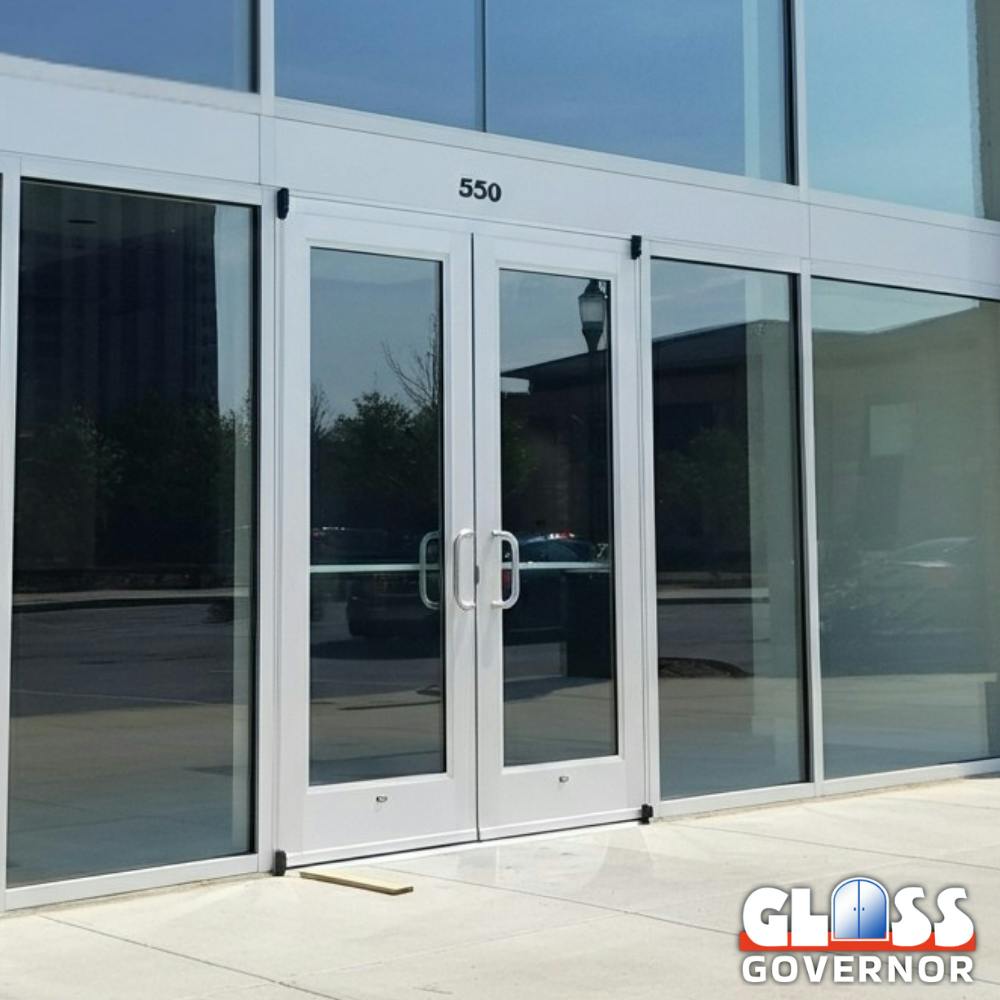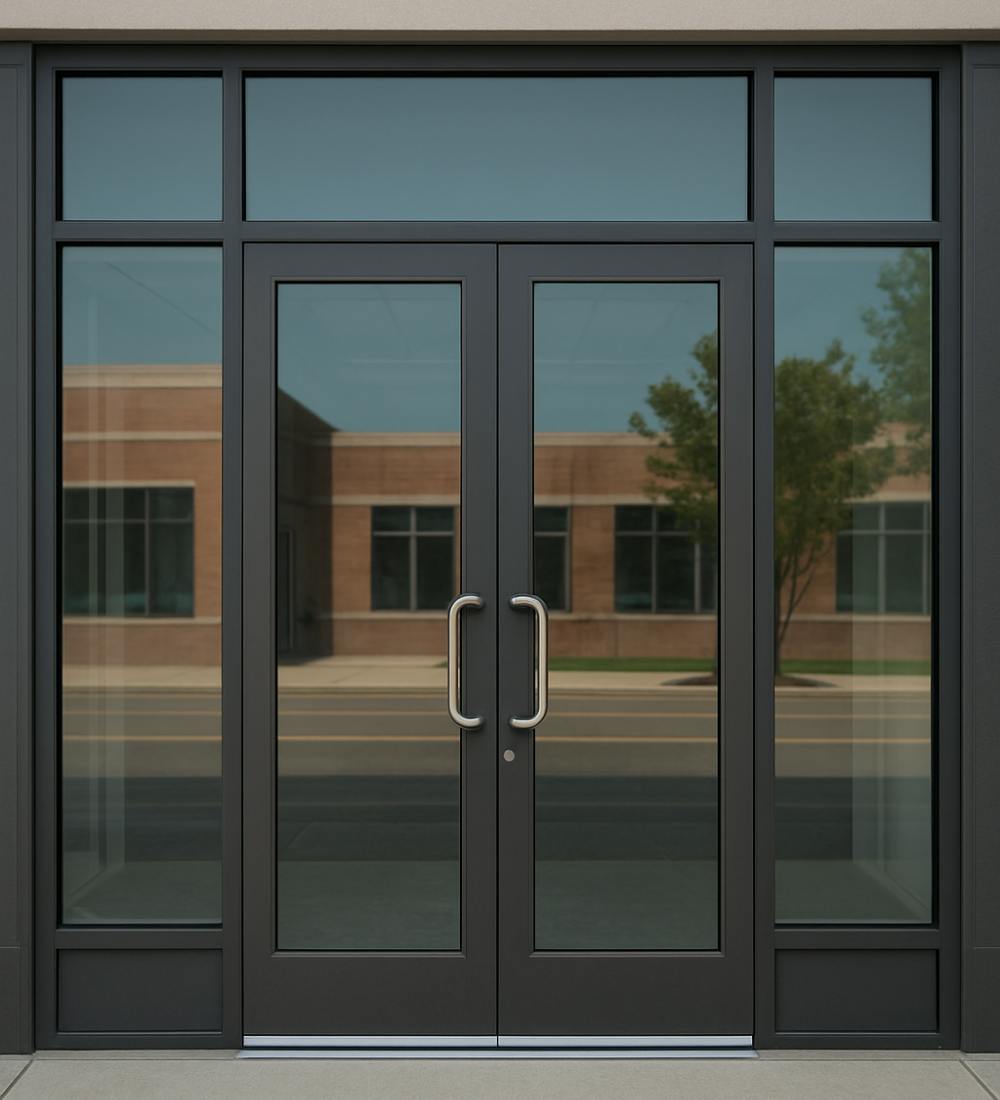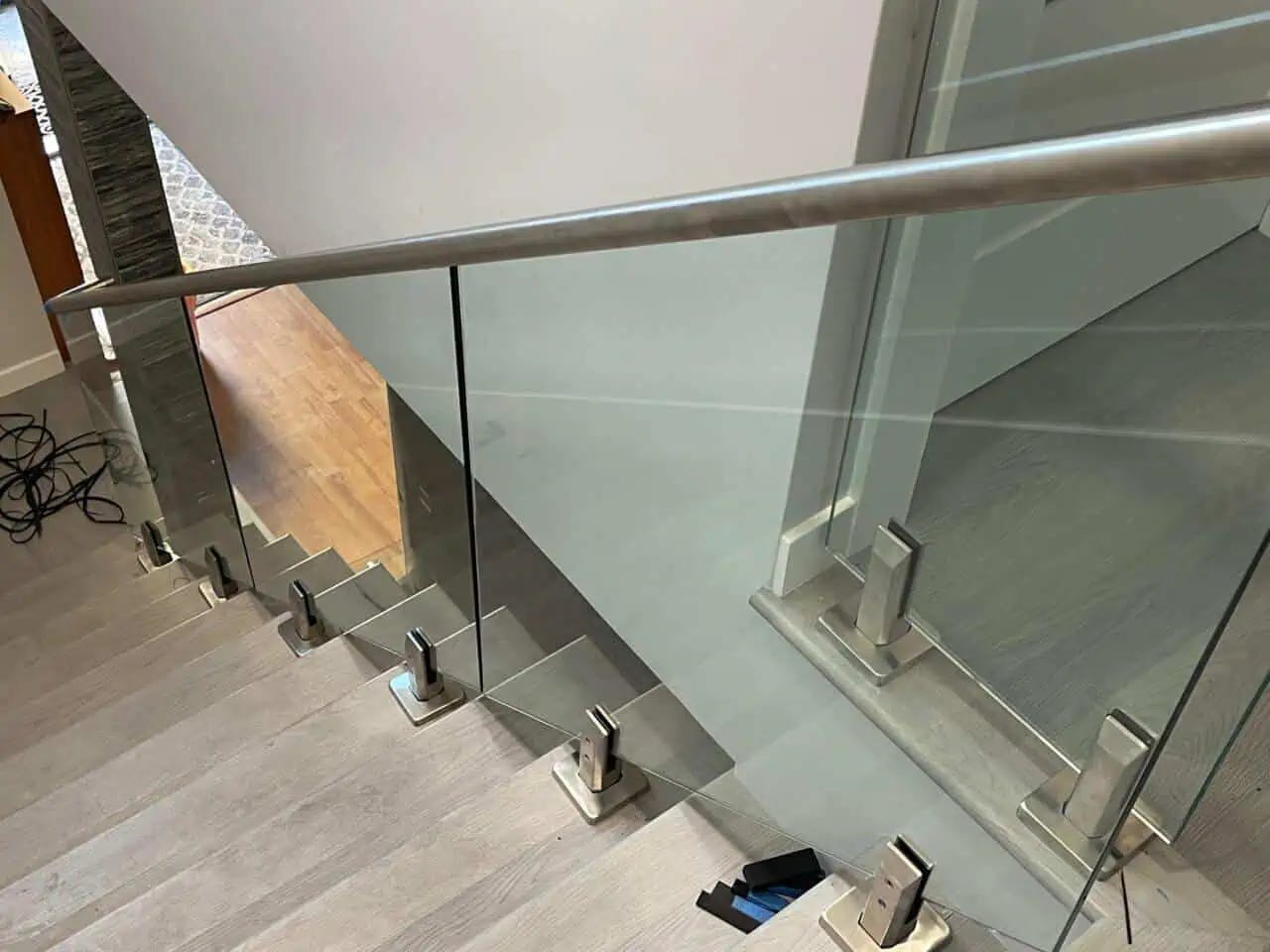



In spring 2024, three businesses within two blocks of each other in Roswell all installed new glass storefronts. Same neighborhood. Similar budgets. Comparable installation timelines.
One year later, their experiences couldn’t be more different.
Business A reports a 48% increase in foot traffic and energy bills down 31%. The owner says it’s the best business investment she’s made in fifteen years.
Business B saw modest foot traffic increases but is dealing with ongoing maintenance issues—seals failing, doors misaligning, energy savings disappointing. The owner wishes she’d made different choices.
Business C experienced installation delays that cost him peak summer revenue, budget overruns that strained finances, and results that don’t match what was promised. He’s considering legal action against his contractor.
Three businesses. Similar projects. Vastly different outcomes.
The difference? Knowledge. Business A researched thoroughly, asked the right questions, and made informed decisions. Business B cut corners to save money. Business C chose based primarily on price and paid for it repeatedly.
December marks strategic planning season when Roswell and Johns Creek businesses finalize 2026 capital improvements. For anyone considering commercial glass projects, learning from others’ real experiences—both successes and failures—prevents costly mistakes and guides better decisions.
Let’s examine five actual commercial glass projects from Roswell and Johns Creek, extracting lessons that matter when your turn comes.
Case Study 1: Canton Street Boutique – The Storefront Transformation
The Situation
A 1,200-square-foot women’s clothing boutique on Canton Street operated in a space with original 1990s storefront glass—bronze-tinted, heavily framed, making the interior look perpetually dark.
Foot traffic had declined 30% over three years as neighboring businesses renovated. The owner suspected her dated storefront was costing sales but hesitated because renovation meant closing during installation.
The Project
Complete storefront replacement:
- Floor-to-ceiling Low-E glass (minimal tinting)
- Thin aluminum framing (modern profile)
- New entry door with commercial-grade hardware
- LED accent lighting integrated into header
Budget: $38,000 Timeline: Three weeks from design to completion Closure period: Five business days (Friday through Tuesday)
The Results
First Quarter Post-Installation:
- Foot traffic up 52%
- Average transaction value increased 18%
- Energy costs down 34% (summer cooling bills from $650 to $430 monthly)
Unexpected Benefits:
- Instagram traffic increased (customers photographing storefront)
- Two media mentions in local lifestyle publications
- Neighboring business owners inquiring about contractor
Lessons Learned
Lesson 1: Scheduling matters more than you think.
The owner scheduled installation during her historically slowest week (post-Valentine’s Day, pre-spring). She closed Friday-Tuesday, minimizing lost revenue. Had she chosen differently, lost sales could have exceeded $15,000.
Lesson 2: Energy savings exceed projections when you upgrade from very old glass.
Her 30-year-old bronze glass was incredibly inefficient. Modern Low-E glass created dramatic improvement. Newer glass replacements (10-15 years old) show smaller savings.
Lesson 3: The marketing value of a distinctive storefront compounds over time.
The initial foot traffic boost was impressive. But ongoing social media mentions and word-of-mouth created sustained traffic increases that persisted long after the “new storefront” novelty wore off.
Lesson 4: Minimizing closure time requires coordination but pays off.
Working with contractors who could expedite fabrication and work extended hours during installation cost an extra $2,800. The owner recovered that through avoided lost revenue by staying closed only five days instead of projected ten.
Case Study 2: Johns Creek Professional Office – The Partition Problem
The Situation
A 3,500-square-foot professional services office (accounting and financial planning) needed to reorganize space as their team grew from 8 to 14 employees.
Traditional drywall construction would have created dark interior offices. Open plans didn’t work because confidential client conversations required privacy.
The Project
Glass partition system with acoustic performance:
- Floor-to-ceiling glass throughout
- Combination of clear and frosted panels (frosted for offices requiring consistent privacy)
- Double-pane glass for sound control
- Integration with existing HVAC and electrical
Budget: $65,000 Timeline: Six weeks from design approval to completion Disruption: Phased installation allowing continuous operation
The Results
Immediate Outcomes:
- Natural light reaching all workspaces (previously interior offices were artificially lit all day)
- Acoustic performance meeting confidentiality requirements
- Space reorganization accommodating growth without adding square footage
One-Year Follow-Up:
- Energy costs down 28% ($4,200 annually)
- Employee satisfaction scores increased 31% (annual survey)
- Zero client confidentiality concerns despite transparent design
- One employee specifically mentioned workspace quality during retention conversation
Lessons Learned
Lesson 5: Acoustic glass specifications matter tremendously for professional services.
Initial quotes included standard single-pane glass. The owner asked about sound transmission and upgraded to double-pane laminated glass—adding $12,000 to project cost.
That upgrade proved essential. After installation, they conducted confidentiality testing: private conversation in conference room, person outside listening. With doors closed, conversation was unintelligible. Standard glass would have failed that test.
Lesson 6: Frosted glass provides privacy without losing light transmission.
Offices requiring consistent visual privacy (HR discussions, client meetings, focused work) received frosted glass. This maintained the light distribution benefits while addressing privacy needs. Smart glass would have cost significantly more without providing functional advantages for this application.
Lesson 7: Phased installation costs more but maintains operations.
They paid premium for phased installation—one section at a time, working around business hours. Total added cost: $8,500. Value of uninterrupted operations during a busy tax season: immeasurable. The owner would make the same choice again.
Lesson 8: Glass partitions influence recruiting.
Unexpected finding: three candidates specifically mentioned the bright, modern office during interview process. Two cited it as factor in accepting offers. In competitive professional services recruiting, every advantage matters.
Case Study 3: Roswell Restaurant – The Entry Door Failure
The Situation
An upscale restaurant on Roswell’s town square replaced their entry door system, choosing based primarily on price—$12,000 for a door that should have cost $18,000-22,000.
The Project
Double-door entry system:
- Floor-spring hinges (instead of recommended overhead closers)
- Standard commercial glass (not Low-E despite south-facing exposure)
- Budget hardware
- Installation by general contractor (not glass specialist)
Budget: $12,000 (vs. $18,000-22,000 for properly specified system)
The Results
First Six Months:
- Floor springs failed twice (warranty replacements)
- Door alignment issues creating gaps (energy loss, noise penetration)
- Glass showing heat stress cracks from solar exposure
- Multiple service calls ($800 in additional costs)
One-Year Status:
- Complete door replacement recommended
- Total spent (including service calls): $14,600
- Still facing $18,000-22,000 for proper replacement
- Cumulative cost will exceed $32,000 for what should have been one $20,000 installation
Lessons Learned
Lesson 9: Cheap becomes expensive remarkably fast in commercial applications.
The $6,000-10,000 “savings” cost more than that within a year—and the restaurant still needs proper doors. Total expense will be 60%+ higher than doing it right initially.
Lesson 10: Floor springs are wrong choice for high-traffic applications.
Floor springs work for low-traffic doors. Restaurants with hundreds of daily entries need overhead closers. Floor springs wear quickly, require frequent adjustment, and fail under heavy use.
Lesson 11: Specialized contractors matter for specialized installations.
General contractors can install doors. Glass specialists install doors correctly—understanding specifications, hardware requirements, and performance needs specific to glass door systems.
Lesson 12: South-facing glass without solar protection fails in Georgia.
According to climate data, Atlanta’s summer sun exposure is intense. South-facing standard glass experiences thermal stress that causes cracking. Low-E glass or proper tinting is mandatory, not optional.
The owner’s reflection: “I tried to save $8,000. It’s going to cost me an extra $12,000-15,000 total, plus lost time, frustration, and customer experience issues. Never again.”
Case Study 4: Johns Creek Tech Office – The Smart Glass Success
The Situation
A 6,000-square-foot software company office needed conference room flexibility. Peak meeting times created space shortages. Low meeting times left expensive space unused.
Traditional solution: build more conference rooms (expensive, permanent, inefficient).
The Project
Smart glass partition system:
- PDLC glass (switches clear to frosted instantly)
- Four conference zones that function as open space when clear
- App-based control system
- Integration with calendar software for automatic privacy
Budget: $92,000 (significantly more than standard glass at $65,000) Timeline: Eight weeks Installation: Completed over long weekend to minimize disruption
The Results
Immediate Impact:
- Conference capacity effectively doubled (four permanent rooms plus four flex zones)
- Space utilization increased from 58% to 87%
- “Wow factor” during client tours and candidate interviews
One-Year Performance:
- Energy costs down 22% (glass stays clear maximizing natural light when privacy not needed)
- Featured in two tech industry articles (PR value estimated $15,000+)
- Three employees specifically mentioned smart glass in engagement surveys
- Two clients asked for contractor referrals for their own offices
ROI Analysis:
- Premium over standard glass: $27,000
- Avoided cost of building two additional conference rooms: $45,000-60,000
- Energy savings: $2,800 annually
- Payback period: 6-8 years from savings alone; immediate from avoided construction costs
Lessons Learned
Lesson 13: Smart glass premium makes sense when flexibility delivers value.
For applications requiring variable privacy, smart glass eliminates compromises. This office needed both open collaboration space and private meeting zones. Smart glass provided both without choosing between them.
Lesson 14: Calendar integration creates effortless automation.
The system automatically frosts glass when meetings are scheduled, clears when rooms are vacant. No manual switching needed. Users never think about it—it just works.
Lesson 15: Technology becomes marketing asset.
The smart glass wasn’t purchased for marketing purposes, but it created unexpected promotional value. Client impressions matter in competitive professional services. The office itself became a sales tool.
Lesson 16: Future-proofing justifies premium investment.
Technology changes. Office needs evolve. Smart glass provides adaptability that permanent walls don’t. As the company grows, the space can reconfigure easily.
Case Study 5: Roswell Retail – The Timing Disaster
The Situation
A sporting goods store planned a storefront upgrade to modernize appearance and improve energy efficiency.
The owner received quotes in March, approved in April, scheduled installation for June—peak summer sales season.
The Project
Complete storefront replacement:
- Modern glass with Low-E coating
- Updated entry doors
- Improved framing system
Budget: $42,000 Planned timeline: Four weeks Planned closure: Seven business days
The Reality
- Glass fabrication delayed (supplier issues)
- Installation extended to twelve days (unexpected structural issues)
- Project completed in late July
- Actual closure: Twelve business days during peak season
Financial Impact:
- Lost revenue during closure: estimated $35,000-45,000
- Customer frustration and lost loyalty (numerous complaints about closure during prime season)
- Staff hours paid but unproductive
The Aftermath
The storefront itself was excellent—better than expected quality. But the timing disaster overshadowed those benefits.
First full year savings and increased traffic justified the investment financially. But the owner remains frustrated: “I should have scheduled it for January or February when we’re slow anyway. I tried to time it for ‘after spring, before peak summer’ and got the worst possible outcome.”
Lessons Learned
Lesson 17: Murphy’s Law applies to construction—assume delays.
Plan installations during your slowest periods with buffer time. What should take four weeks should be scheduled during a period when six weeks won’t kill you.
Lesson 18: Supplier delays cascade rapidly.
Glass fabrication delays pushed the project into peak season. Once that happened, everything compounded. The structural issues would have been inconvenient in February; they were disastrous in June.
Lesson 19: Customer communication during closures matters.
The owner posted minimal signage about the closure timeline. Better communication might have reduced customer frustration and retained some loyalty.
Lesson 20: Seasonal timing beats “avoiding busy contractor periods.”
Trying to schedule between contractor busy seasons but during your busy season creates vulnerability. Schedule during YOUR slow period, even if it means competing for contractor availability.
The owner’s reflection: “The project delivered everything promised—just at terrible timing. That was my fault, not the contractor’s. I’d do the same project again, but in January.”
Synthesis: What These Projects Teach Us
Examining these five commercial glass projects reveals patterns that separate successful installations from problematic ones.
Success Factors
Research and planning: Successful projects involved thorough investigation, proper specification, and realistic expectations.
Appropriate budgeting: Quality materials and skilled installation cost money. Attempts to cut corners consistently backfired.
Strategic timing: Projects scheduled during business slow periods or with proper operational plans succeeded. Poor timing created problems even when execution was perfect.
Communication: Projects with clear communication between owners, contractors, and stakeholders avoided surprises and adjusted smoothly when issues arose.
Long-term thinking: Decisions based on lifecycle value rather than upfront cost consistently delivered better outcomes.
Failure Patterns
Price-focused decisions: Choosing primarily based on lowest bid reliably led to problems—either through quality issues or hidden costs.
Inadequate specifications: Standard glass where specialty glass was needed, wrong hardware for application intensity, insufficient acoustic performance.
Poor timing: Installing during critical business periods created avoidable stress and financial impact.
Unrealistic expectations: Assuming fast timelines without buffers, expecting perfect installations without potential complications.
Applying These Lessons to Your Project
Whether you’re considering storefront renovation,office partitions, or entry door replacements in Roswell or Johns Creek, these lessons apply:
Ask about projects similar to yours. Don’t just review contractor portfolios—talk to businesses with similar applications. How did their projects actually perform over time?
Budget appropriately from the start. Understanding true costs prevents the painful choice between cutting corners or exceeding budget.
Plan timing strategically. When is your slowest period? That’s when to schedule installation, regardless of contractor availability or other factors.
Specify for your actual use case. High-traffic doors need different hardware than low-traffic. Confidential conversations need acoustic glass. South-facing needs solar control.
Build in buffer time. If a project should take four weeks, assume six. Plan accordingly.
Understand what you’re getting. Know the difference between standard and premium specifications. Understand why certain choices cost more and whether that premium delivers value for your application.
Choose experienced contractors. Commercial glass is specialized. Experience with similar projects in similar applications matters enormously.
Your Roswell or Johns Creek Project
Glass Governor has completed commercial glass projects throughout Roswell and Johns Creek—from Canton Street retail to Johns Creek corporate offices. We’ve seen what works and what creates problems.
Our experience with local businesses means understanding:
- Seasonal patterns (when to schedule to minimize disruption)
- Local code requirements (Roswell and Johns Creek have specific permitting processes)
- Building characteristics (older Canton Street buildings vs. newer Johns Creek office parks)
- Market expectations (what quality levels match these markets)
We approach projects as long-term relationships, not transactions. Your success reflects on us. We’d rather guide you toward the right project at the right time than push any project at any time.
Schedule a commercial glass consultation. We’ll discuss your needs, show relevant case studies, explain options clearly, and develop realistic proposals based on real-world performance expectations—not marketing promises.
Call Your Local Atlanta Glass And Mirror Company Today! Excellent Service at a Fair Price!
Learn from others’ experiences—both their successes and mistakes. Make informed decisions that serve your business well for decades.
Contact Glass Governor or request a consultation online.
Related Resources:
- Explore commercial glass storefront systems for retail applications
- Learn about glass partition solutions for office environments
- Discover commercial glass entry doors and specifications
- View Johns Creek commercial projects and installations