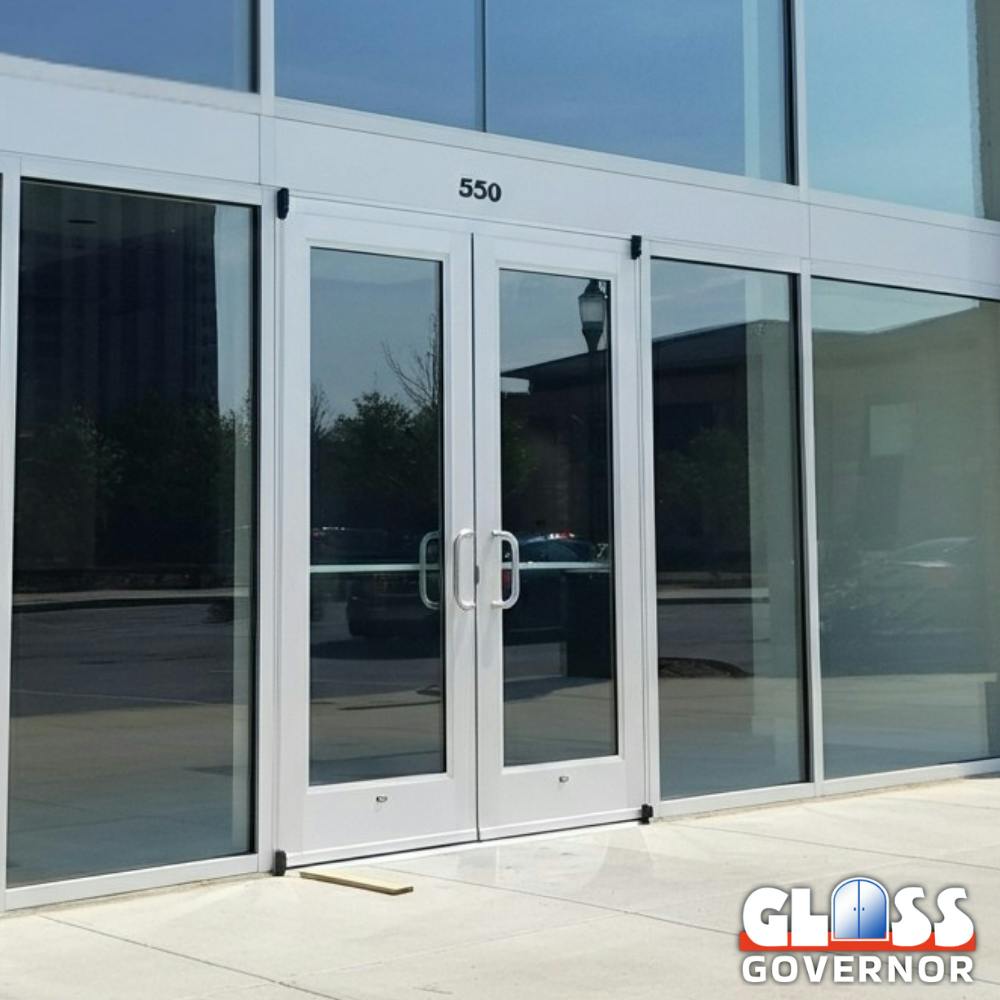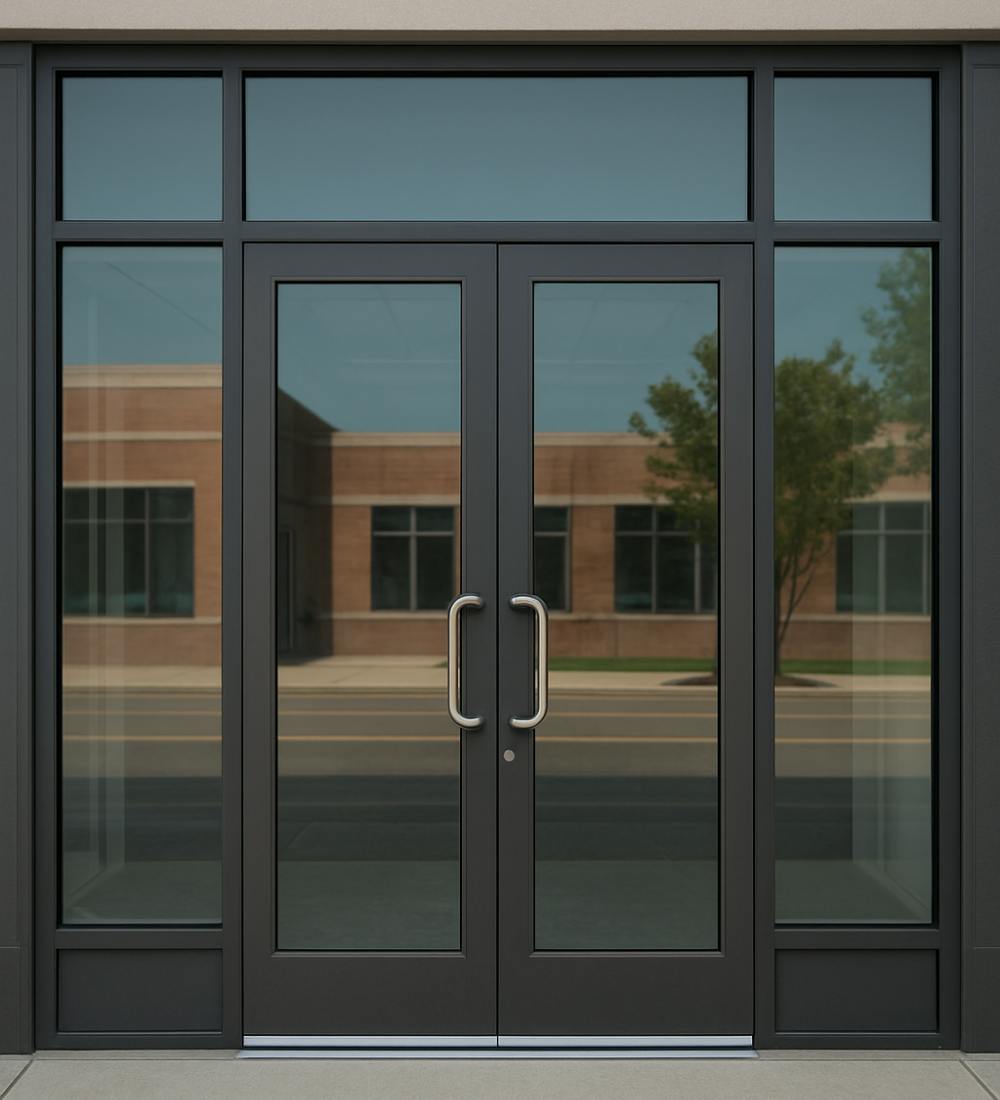



Three years ago, David Park renovated his Sandy Springs home with what seemed like a safe choice: traditional framed glass doors and standard railings. Modern enough, he thought. Neutral enough to appeal to future buyers.
Last month, David toured a friend’s newly renovated Buckhead townhome. Floor-to-ceiling frameless glass. Color-changing LED integration. Glass that switched from clear to frosted with a wall switch. Automated tinting that responded to sunlight.
“I felt like I’d time-traveled,” David told us. “My house was renovated in 2022, and it already looks dated compared to what’s possible now.”
That’s how fast glass design is evolving. Technologies that seemed futuristic 24 months ago are becoming standard in high-end installations today. And the pace isn’t slowing—it’s accelerating.
November marks the beginning of year-end planning season when homeowners and businesses finalize 2026 renovation budgets. For anyone considering glass installations in Atlanta, understanding where design is heading matters enormously. You don’t want to invest in solutions that feel outdated before installation is complete.
The glass design trends shaping 2025 represent more than aesthetic preferences. They’re responses to how people actually live and work—demanding spaces that adapt, perform efficiently, and create experiences beyond simple functionality.
Let’s explore the innovations defining modern glass design and why they’re resonating with Atlanta’s most forward-thinking homeowners and business owners.
Smart Glass: From Novelty to Necessity
Five years ago, smart glass was the expensive party trick at tech company headquarters. Today, it’s becoming standard in residential renovations and commercial office design throughout metro Atlanta.
How the Technology Actually Works
Smart glass—also called switchable glass or privacy glass—changes its light transmission properties through electrical current. Two primary technologies dominate:
Electrochromic glass uses voltage to darken or lighten, controlling both privacy and solar heat gain. Think of it as automatic tinting that responds to sunlight or user commands.
PDLC (polymer-dispersed liquid crystal) glass switches between transparent and opaque states instantly. Clear when electricity flows, frosted when off. The transition takes milliseconds.
Both technologies integrate with home automation systems, smartphone apps, and even voice commands. “Alexa, make the conference room private” actually works.
Why It’s Taking Off Now
Prices dropped dramatically. Five years ago, smart glass cost $150-200+ per square foot installed. Today, it’s $100-175—still premium, but within reach for serious renovations.
According to industry analysts, the global smart glass market is growing at roughly 15% annually as manufacturing efficiency improves and demand increases.
More importantly, people understand the value proposition. Smart glass isn’t just cool—it solves real problems:
Energy management: Electrochromic glass reduces cooling costs by blocking solar heat during peak hours while maximizing natural light during moderate conditions. Atlanta homeowners report 15-25% reductions in summer cooling costs for rooms with smart glass.
Privacy without sacrifice: Conference rooms stay bright and open until you need privacy. Bathrooms maintain natural light while ensuring privacy. You don’t choose between light and privacy—you get both.
Space flexibility: Open floor plans work better when you can create temporary privacy zones. Smart glass partitions adapt to changing needs throughout the day.
Where We’re Seeing It in Atlanta
Executive offices in Alpharetta tech companies: Privacy during calls, transparency during collaboration. The glass adapts to the moment.
Luxury bathrooms in Buckhead: Floor-to-ceiling windows that frost for privacy while showering but stay clear the rest of the time, flooding bathrooms with natural light.
Home offices: Glass walls that create separation from household activity during work hours but open up spaces during evenings and weekends.
Wine cellars: Smart glass showcases collections during entertaining but darkens to protect wine from light exposure when not in use.
The pattern is clear: people want flexibility, and smart glass delivers it elegantly.
Minimalist Frameless Systems
The strongest design trend isn’t what’s being added—it’s what’s being removed. Frames. Mullions. Visual interruptions. Everything that stands between you and pure glass.
The Engineering Challenge
Traditional glass installations use frames for structural reasons. Frames hold glass panels, provide mounting points, create seals, and distribute loads. Remove them, and you need alternative solutions.
Modern frameless systems achieve this through:
Precision-engineered hardware that attaches glass panels with minimal visual impact. Standoffs, clamps, and channels designed to disappear.
Thicker glass that provides adequate structural strength without supplemental framing. Half-inch glass is common; five-eighths-inch for large panels or demanding applications.
Advanced sealing using magnetic strips and precision gaskets that create airtight seals without visible framing.
The result? Glass that appears to float, held by nearly invisible hardware.
Why Minimalism Wins
The aesthetic appeal is obvious—frameless glass looks sophisticated and timeless. But practical benefits drive adoption:
Light transmission: Frames block light, even thin frames. Frameless systems maximize natural light penetration, which matters tremendously in sustainable design applications.
Perceived space: Removing visual barriers makes spaces feel larger. A frameless shower door makes a bathroom feel 30-50% bigger than a framed enclosure in the same space.
Maintenance simplicity: Frames collect grime, mineral deposits, and soap scum. Frameless glass has fewer crevices where buildup occurs, making cleaning faster.
Timeless design: Frames date installations. Frameless designs remain contemporary decade after decade. It’s architectural rather than trendy.
Applications Driving Growth
Frameless shower enclosures: The most requested bathroom upgrade. According to real estate professionals, frameless showers deliver 60-70% ROI and consistently impress buyers.
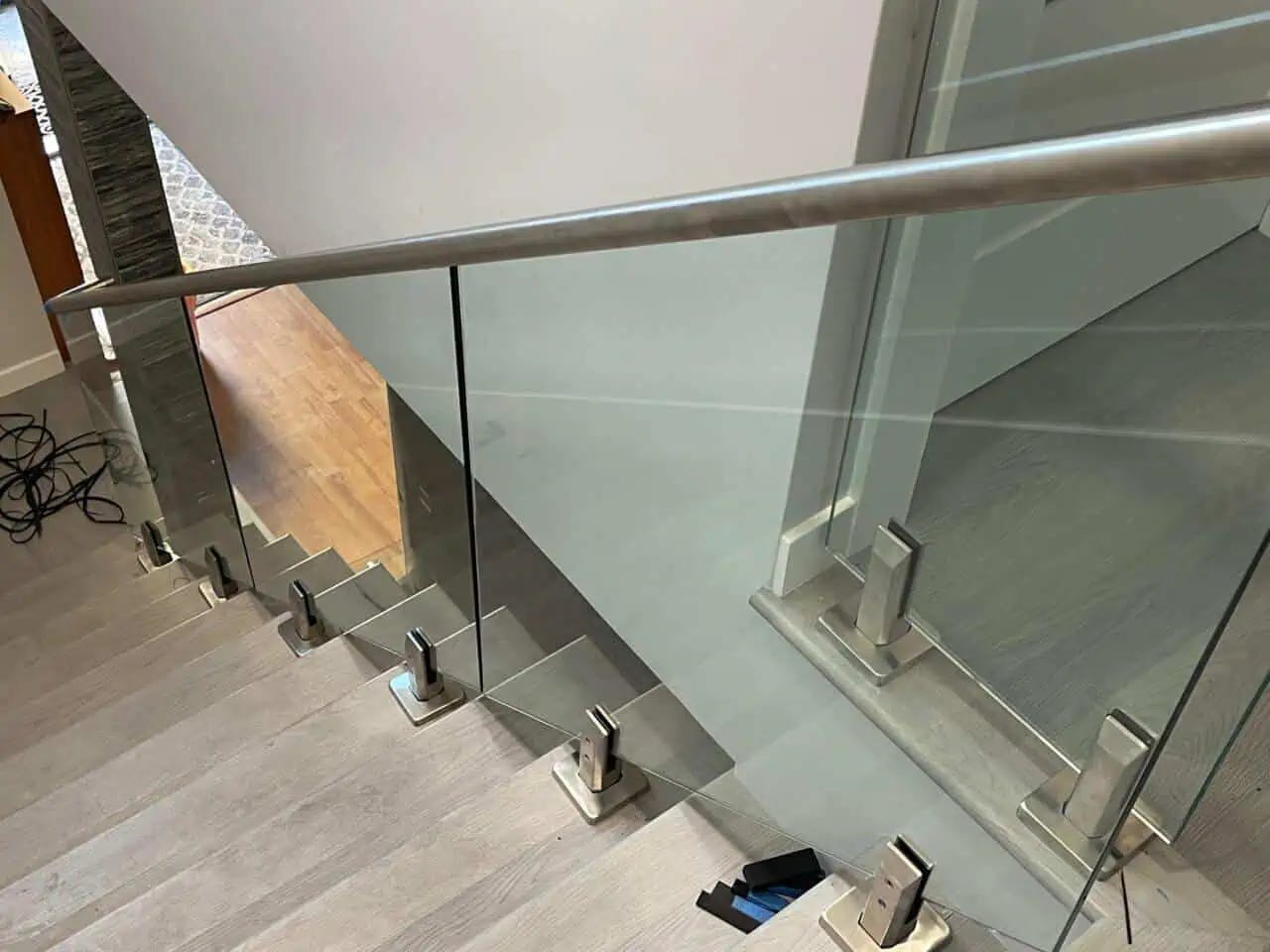
Glass railings: Deck and balcony railings where the view matters more than the railing. Coastal properties, mountain homes, and urban locations with skyline views all benefit from invisible railings.
Office partitions: Creating separation without creating visual barriers. Teams maintain connection while defining distinct zones.
Retail storefronts: Maximum product visibility with minimal obstruction. The glass becomes nearly invisible, letting merchandise take center stage.
The trend transcends style preferences. Minimalist frameless systems solve functional problems while looking beautiful—a combination that drives sustained demand.
LED Integration: Light as Design Element
Glass and light have always been connected, but 2025 is taking that relationship to new levels through integrated LED systems that transform glass from static material to dynamic medium.
Beyond Basic Backlighting
Early LED glass integration was simple: lights behind glass shelving. Effective, but limited.
Current systems are far more sophisticated:
Edge-lit glass embeds LEDs in glass edges, creating even illumination across entire panels. The glass itself appears to glow.
RGB color-changing systems let users adjust color temperature and hue. Warm amber for intimate dinners. Cool white for task lighting. Colored accent lighting for parties.
Dynamic programming creates changing light patterns. Slowly shifting colors. Pulsing effects synchronized to music. Responsive lighting that reacts to motion or time of day.
Integration with home automation means glass lighting coordinates with other systems. Your wine cellar’s glass shelving lights automatically when you enter. Glass railings illuminate at dusk. Conference room glass dims during presentations.
Functional Benefits Beyond Aesthetics
LED-integrated glass isn’t just pretty—it’s practical:
Reduced fixture requirements: When glass provides ambient lighting, you need fewer traditional light fixtures. This simplifies electrical, reduces installation costs, and creates cleaner ceilings.
Energy efficiency: LEDs use 75% less energy than incandescent lighting and last 25 times longer. Glass-integrated LEDs consume minimal power while creating dramatic effects.
Safety enhancement: Illuminated glass railings on stairs provide safety lighting that’s integrated into the architecture rather than added as afterthought fixtures.
Mood control: The ability to adjust lighting color and intensity means one space serves multiple functions. A glass wine wall shifts from museum-quality display to warm entertaining ambiance with a button press.
Where It’s Making Impact
Luxury wine cellars: LED-integrated glass shelving creates gallery-quality displays. Each bottle becomes a featured piece in a rotating exhibition.
Commercial lobbies: Glass walls and partitions with edge lighting create dramatic first impressions that convey innovation and sophistication.
Bathroom vanities: Backlit mirrors and LED-integrated glass shelving provide both task lighting and ambient illumination.
Outdoor spaces: Glass railings with integrated LEDs transform decks and balconies into evening entertainment venues without adding clunky post lights.
The trend reflects broader design philosophy: why add something when you can integrate it seamlessly?
Curved and Geometric Glass
Straight lines dominated glass design for decades because curves were expensive and technically challenging. Manufacturing improvements changed that equation.
The Technical Evolution
Curving glass requires specialized equipment and techniques. Glass is heated to near-melting point, then shaped using molds or gravity forming. The process was costly and limited to specialized applications.
Recent manufacturing advances made curved glass more accessible:
Improved forming technology creates consistent curves with tighter tolerances and fewer defects.
Computer-aided design lets architects specify exact curves, which manufacturers reproduce precisely.
Modular curved systems standardize certain curve radiuses, reducing custom fabrication costs.
Result? Curved glass is still premium, but it’s no longer prohibitively expensive for residential and commercial projects.
Design Applications
Curved shower enclosures follow the natural flow of bathrooms, especially in spaces with angles or unusual layouts. The curve becomes architectural feature rather than compromise.
Rounded glass railings create organic lines on decks and balconies. Especially effective on curved architectural features or overlooking natural settings.
Geometric partition systems using angled or faceted glass create visual interest in open floor plans. The geometry defines zones without solid barriers.
Curved wine cellar displays showcase bottles from multiple angles simultaneously. The curve naturally directs attention and creates movement.
Why Curves Matter
Beyond aesthetics, curves introduce psychological effects:
Softness: Curves feel more inviting and less institutional than rigid rectilinear designs. This matters in hospitality, healthcare, and residential applications.
Flow: Curved glass creates natural circulation patterns, guiding movement through spaces intuitively.
Luxury signaling: Curves require custom work, which signals attention to detail and investment in quality. In competitive luxury markets, these signals matter.
The trend isn’t about curves everywhere—it’s about strategic use where they add value and interest.
Sustainable Glass Solutions
Sustainability isn’t just marketing anymore. It’s genuine competitive advantage as buyers and tenants increasingly prioritize environmental performance.
Low-E Coatings Becoming Standard
Low-emissivity (Low-E) coatings are microscopically thin metallic layers that reflect heat while allowing light transmission. They’ve been available for years but are transitioning from premium upgrade to expected standard.
Low-E glass reduces heat transfer by 10-50% depending on configuration. In Atlanta’s climate, that translates directly to lower cooling costs—the primary energy expense for most buildings.
Modern Low-E coatings are also more effective at blocking UV radiation, which fades furnishings and artwork. Premium installations now specify glass that blocks 99% of UV while maintaining clear views.
Recycled Content and Recyclability
Glass is 100% recyclable indefinitely without quality loss. Modern architectural glass increasingly incorporates recycled content:
Post-consumer recycled content averaging 20-30% in new glass production reduces manufacturing energy and raw material consumption.
End-of-life considerations matter to LEED-seeking projects. Glass scores well because it’s completely recyclable, unlike many composite materials.
Energy Performance That Pays
Glass isn’t just passive material anymore—it’s active building system component contributing to overall energy performance:
Triple-pane systems with two Low-E coatings approach wall insulation values while maintaining transparency. Once considered extreme, they’re becoming common in cold climate commercial and high-end residential applications.
Aerogel-filled glazing provides exceptional insulation in translucent (not transparent) applications. Perfect for privacy glass that maintains light transmission.
Vacuum-insulated glass uses technology similar to thermos bottles—evacuated space between panes provides superior insulation. Still expensive, but prices are dropping.
The trend reflects market reality: energy costs aren’t decreasing, making efficient glass increasingly cost-effective despite higher upfront investment.
Textured and Patterned Glass
While frameless minimalism dominates one end of the spectrum, textured and patterned glass serves different needs—particularly where privacy, branding, or visual interest matter.
Privacy Without Darkness
Frosted and textured glass solves the privacy challenge while maintaining light transmission. But 2025’s textured glass goes beyond standard frosting:
Digital printing creates custom patterns, gradients, or imagery directly on glass. Company logos, decorative motifs, or abstract designs become permanent glass features.
Varied textures from subtle to dramatic provide privacy levels ranging from “obscured” to “completely private” while still transmitting light.
Strategic patterning places frosting only where privacy matters—eye level in offices or showers—while keeping upper and lower portions clear for light transmission.
Branding and Identity
Commercial installations use patterned glass to reinforce brand identity:
Logo integration in entry doors and partition walls makes brand presence architectural rather than afterthought signage.
Color-matched acid etching incorporates brand colors permanently into glass rather than relying on applied films that peel or fade.
Textured glass signatures create unique fingerprints for office spaces, making them memorable and photographable—important for companies that want distinctive aesthetics.
Residential Applications
Homeowners use textured glass differently but equally effectively:
Bathroom privacy maintaining natural light while ensuring privacy at sinks and showers.
Kitchen cabinet glass creating visual interest while obscuring contents (not everything in cabinets deserves display).
Interior windows allowing light flow between rooms while maintaining visual separation—perfect for home offices or hallways.
The pattern/texture trend represents balance: maintaining transparency benefits while addressing privacy needs creatively.
What This Means for Your Projec
Glass design trends aren’t just aesthetic evolution—they represent functional improvements and technological capabilities that solve real problems.
For Atlanta homeowners and businesses planning 2026 renovations, several questions guide smart decisions:
Does smart glass solve problems you actually have? If you need privacy flexibility or significant solar heat control, yes. If those aren’t concerns, standard glass saves money.
Will frameless systems deliver enough value to justify premium costs? If light transmission, perceived space, and timeless aesthetics matter—especially in spaces that impact resale value—usually yes.
Should LED integration be part of your design? If glass serves display purposes (wine, retail, feature walls), lighting integration creates dramatic results. For purely functional glass, maybe not.
Are curves and custom shapes worth custom fabrication costs? In signature spaces where distinctive design creates memorable impressions, often yes. For utilitarian applications, standard geometry works fine.
Does sustainability matter to you beyond marketing? Energy-efficient glass pays for itself through utility savings. If LEED certification or ESG commitments matter, sustainable glass specifications become mandatory, not optional.
The smartest approach? Work with design professionals who understand both current capabilities and your specific goals. Not every trend fits every project, but the right trends in the right applications create transformative results.
Looking Ahead
Glass design evolution isn’t slowing. If anything, the pace is accelerating as:
Manufacturing becomes more efficient, making advanced technologies accessible to broader markets
Integration improves with home automation, building management systems, and IoT devices
Sustainability requirements tighten, making energy-efficient glass increasingly mandatory
Expectations rise as people experience advanced glass systems and expect similar capabilities in their own spaces
The installations that feel cutting-edge today will feel standard in 3-5 years. Which means the glass choices you make now should anticipate where design is heading, not just where it’s been.
Glass Governor stays ahead of these trends through continuous education, manufacturer relationships, and project experience. We’re installing the technologies that will define tomorrow’s glass design—smart systems, frameless configurations, integrated lighting, and sustainable specifications.
Schedule a design consultation to explore what’s possible. We’ll discuss your goals, show real project examples, explain technology options, and develop concepts that balance current aesthetics with future relevance.
Call Your Local Atlanta Glass And Mirror Company Today! Excellent Service at a Fair Price!
The future of glass design isn’t distant—it’s happening now across metro Atlanta. The question is whether your next project will embrace these innovations or repeat yesterday’s solutions.
Contact Glass Governor or request a consultation online.
Related Resources:
- Explore smart glass partition systems for homes and offices
- Discover frameless shower door designs and options
- Learn about custom glass solutions with integrated technology
- View glass wine cellar installations with LED lighting